

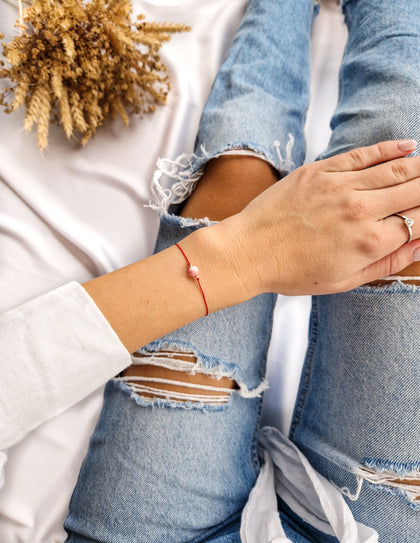


The Lucky Edit by Do.Dreamss
Natural Silk Jewelry: What Makes It So Special?
In a world increasingly drawn to mass-produced accessories, natural silk jewelry stands out as a beacon of artistry, sustainability, and timeless elegance. This centuries-old luxurious fiber has found new life in contemporary jewelry design, offering wearers an experience that combines traditional craftsmanship with modern aesthetics. The delicate yet surprisingly durable nature of silk creates pieces that are comfortable against the skin, visually striking, and environmentally conscious—a rare trifecta in today's fashion landscape.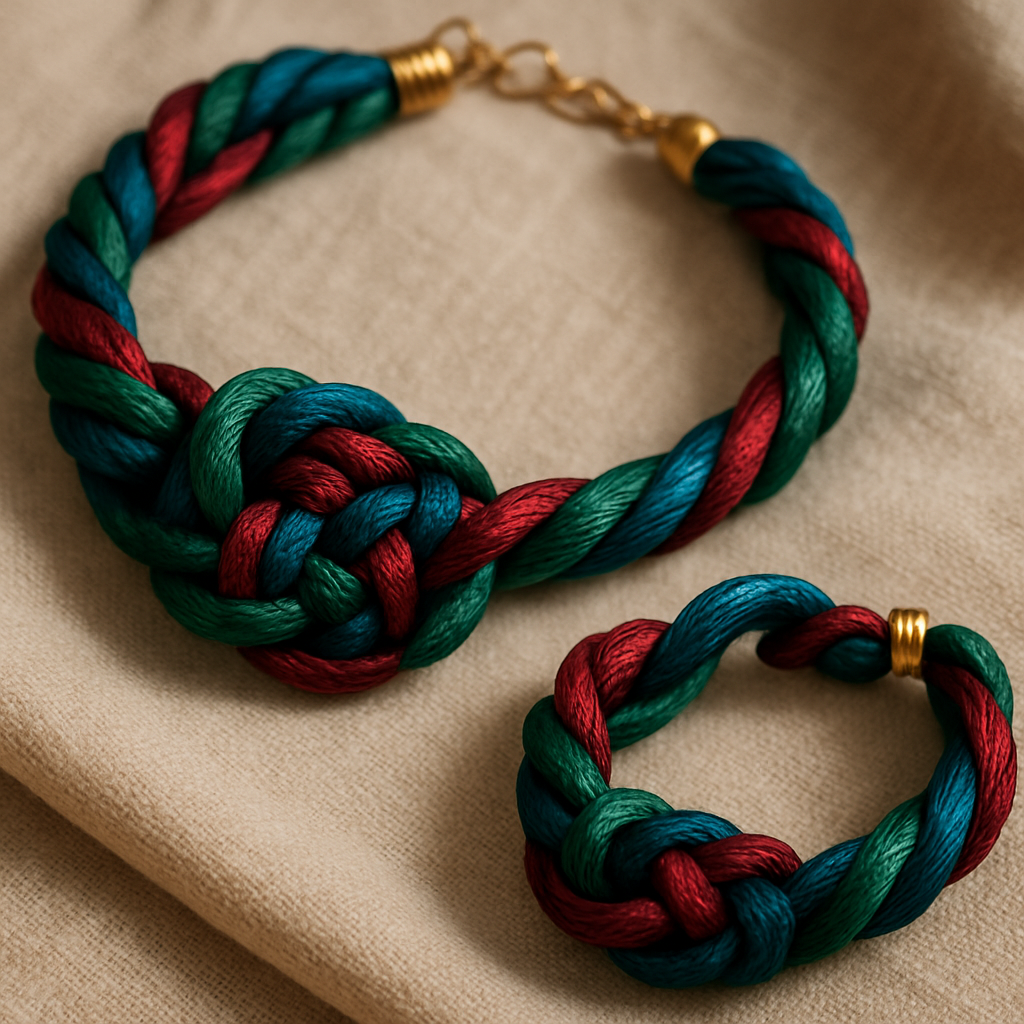
If you're eager to explore the latest trends and inspiration in chic accessories, our go-to blog for chic accessories, thoughtful gift ideas, and everything stylish offers plenty of background before diving deeper into the world of silk jewelry.
Throughout this exploration, you'll discover what makes these adornments uniquely special, from their rich historical roots to practical styling applications. We'll also cover essential care techniques and smart shopping strategies to help you make informed decisions when investing in these distinctive accessories.
The unique qualities of natural silk jewelry
What separates silk accessories from their conventional counterparts goes beyond mere visual appeal. These remarkable pieces offer a sensory experience that few other materials can match.
The inherent lightness of silk makes it ideal for statement pieces that would otherwise be uncomfortable if created with metal or heavy beads. This featherweight quality allows for bold, dramatic designs that can be worn all day without discomfort. Many wearers describe the sensation as "barely there," despite the visual impact these pieces often make.
Another standout characteristic is silk's exceptional hypoallergenic properties. For those with metal sensitivities or skin reactions to traditional jewelry components, silk accessories provide a welcome alternative. The natural protein fibers rarely cause irritation, making these pieces accessible to individuals who might otherwise struggle to find comfortable adornments.
Perhaps most striking is silk's unparalleled ability to showcase color. The material's natural luster creates a depth and dimension to hues that simply cannot be replicated with synthetic fibers or metals. Designers leverage this quality to create vibrant silk necklaces that capture and reflect light in constantly changing ways as the wearer moves.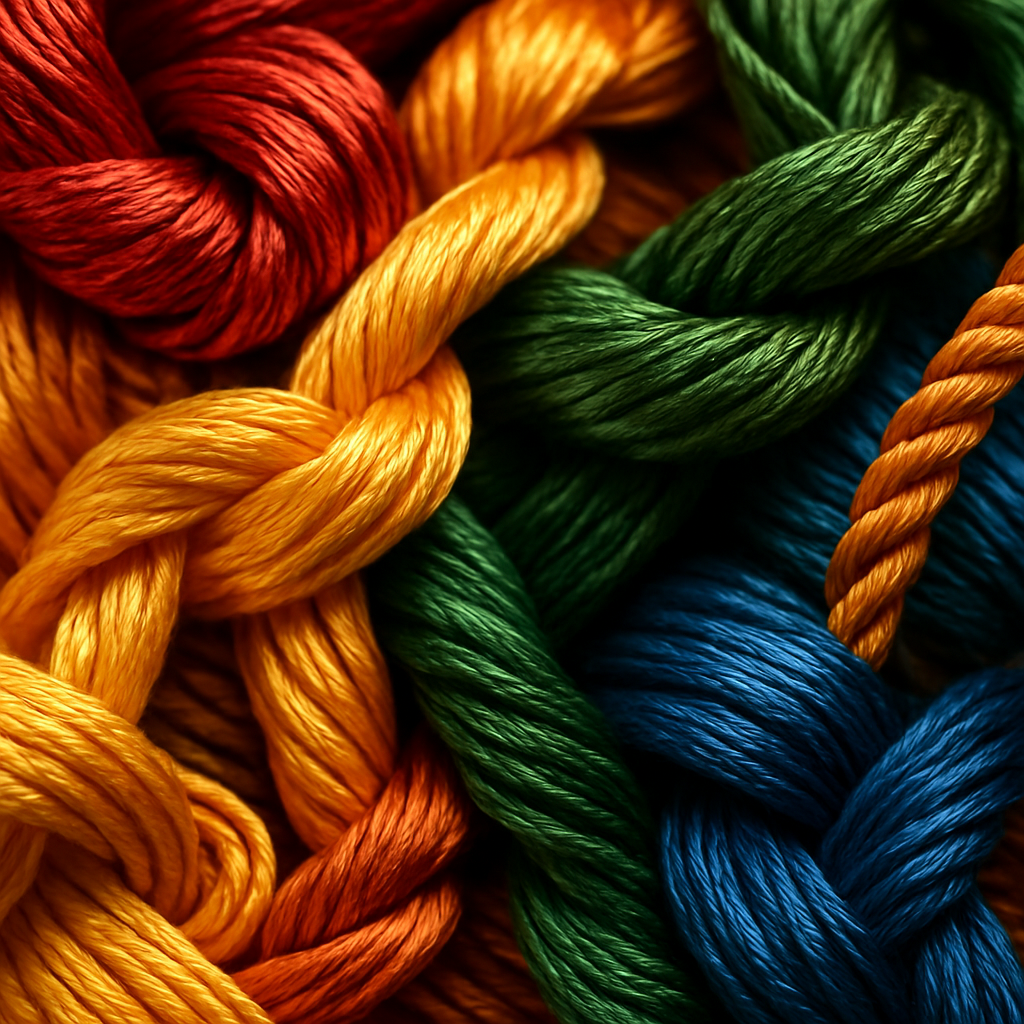
The texture of silk jewelry adds another dimension entirely—soft yet structured, with a tactile quality that invites touch. This sensory richness contributes to the emotional connection many wearers develop with their silk pieces.
Ready to experience the vibrant impact of color and texture? Discover curated collections that let you experiment—starting with Colorful Jewelry Combinations: How to Create Impactful Looks, which inspires stunning pairings with silk and other natural materials.
The environmental advantages of silk jewelry cannot be overlooked in our increasingly eco-conscious marketplace. When compared to mining metals or manufacturing plastic components, silk production typically has a significantly lower environmental footprint. Additionally, the biodegradable nature of silk means these pieces won't linger in landfills for centuries like their synthetic counterparts.
The adaptability of silk as a jewelry medium allows for remarkable versatility in design. From delicate, minimalist strands to bold architectural forms, the material can be manipulated through various techniques to achieve radically different aesthetics. This adaptability extends to occasions as well—many pieces transition seamlessly from casual daywear to formal evening events.
The history and craftsmanship of silk jewelry
Silk's journey through human history is as rich and intricate as the fiber itself. While most commonly associated with textile production, silk has played a role in adornment since ancient times.
The origins of silk production trace back over 5,000 years to ancient China, where according to legend, Empress Leizu discovered sericulture—the cultivation of silkworms for silk production. This discovery was so valuable that revealing the secrets of silk production was punishable by death. For centuries, China maintained a monopoly on silk, which became a precious commodity traded along the famous Silk Road.
In various cultures across Asia, techniques for incorporating silk thread jewelry into ceremonial and religious contexts developed independently. In India, silk thread bangles and necklaces became popular for special occasions and weddings. Japanese artisans developed complex knotting methods that transformed simple silk cords into intricate decorative pieces called kumihimo.
The techniques used to create silk jewelry vary widely across traditions but share common fundamentals. Knotting remains one of the most prevalent methods—manipulating silk threads into complex patterns that create texture and structure.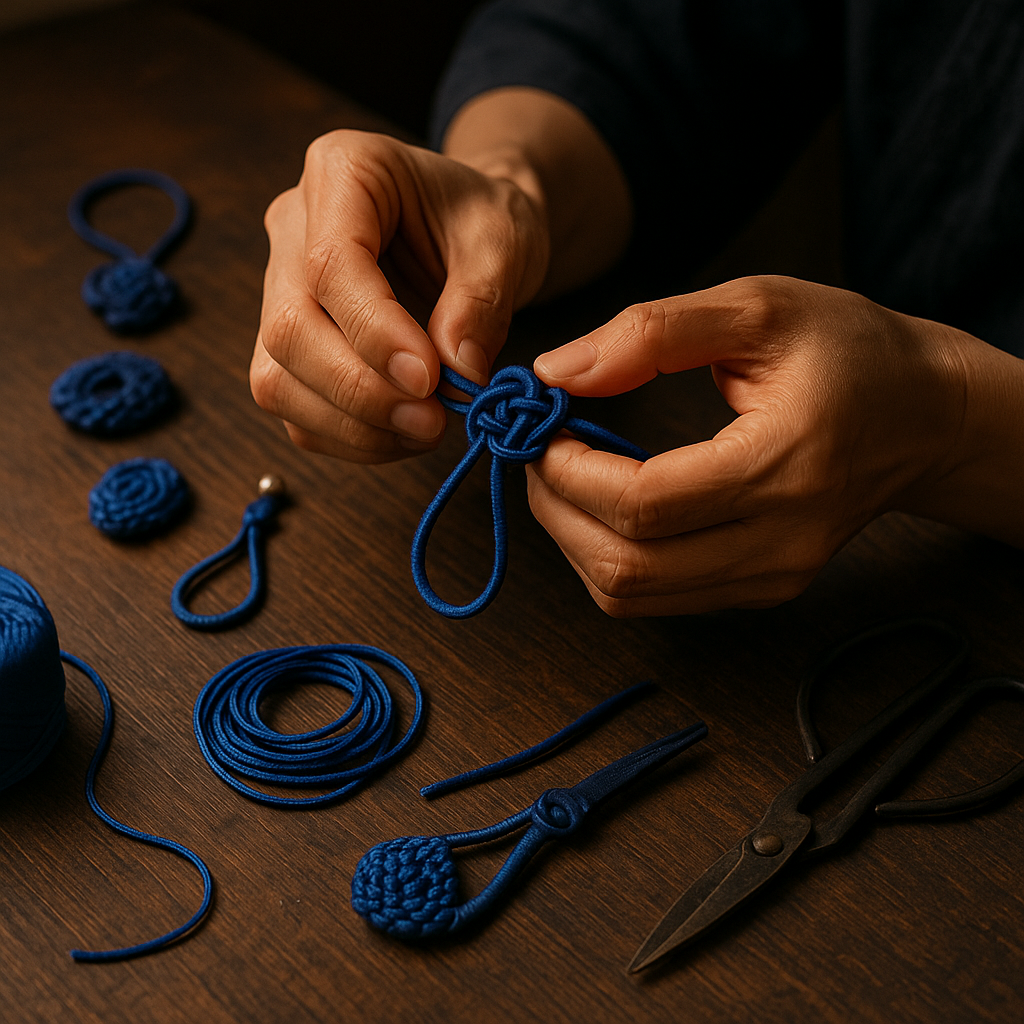
This ancient technique has experienced a resurgence in contemporary design, with modern artisans developing innovative variations on traditional approaches.
For those constantly seeking what's new and creative in stylish accessories, our go-to blog for chic accessories, thoughtful gift ideas, and everything stylish dives into the art and evolution of jewelry trends—including the revival of silk crafts.
Embroidery represents another significant silk jewelry technique, particularly in regions with strong textile traditions. Artisans in countries like India and Mexico have developed methods for creating three-dimensional embroidered elements that can be incorporated into necklaces, earrings, and brooches. These intricate handmade silk jewelry pieces often require dozens of hours of meticulous work.
Contemporary eco-friendly jewelry designers have embraced silk's versatility, combining it with other sustainable materials like reclaimed wood, recycled metals, and natural stones. This fusion approach bridges traditional craftsmanship with modern design sensibilities, creating pieces that honor historical techniques while appealing to current aesthetics.
The geography of silk jewelry production tells a fascinating story of cultural exchange. While China, India, and Japan maintain strong traditions, European countries like France and Italy developed their own distinctive approaches during the Renaissance and Baroque periods. Today, artisans around the world create silk thread jewelry that reflects both global influences and local cultural identities.
Styling silk jewelry for every occasion
The versatility of silk accessories allows them to enhance virtually any wardrobe or occasion, provided you understand the fundamentals of styling these unique pieces.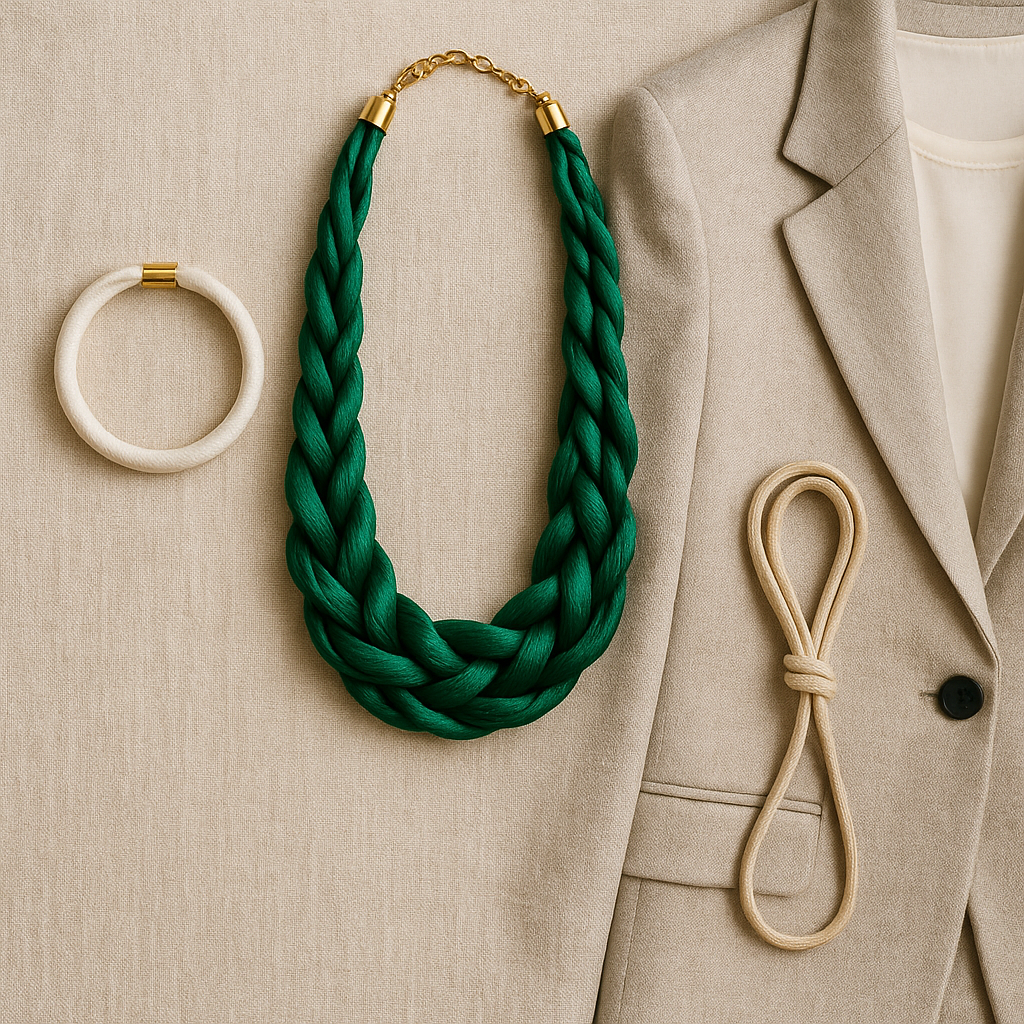
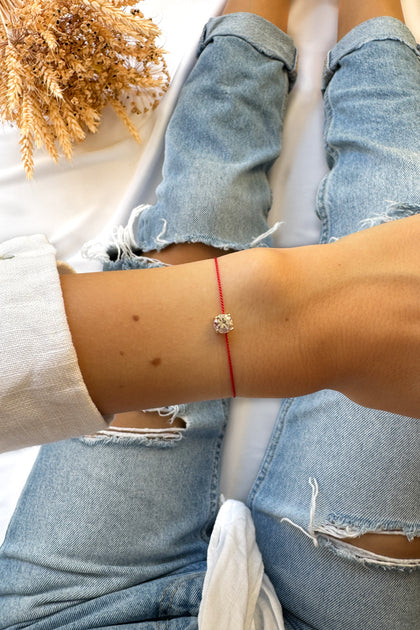
For everyday casual wear, silk bracelets and smaller silk necklaces add a touch of elegance without overwhelming a simple outfit. The organic texture of silk creates interesting contrast against casual fabrics like denim or cotton. Consider layering multiple thin silk bracelets in complementary colors for a relaxed, bohemian effect, or choose a simple silk cord necklace with a small pendant for subtle sophistication.
Professional environments call for balance—silk jewelry can add personality to workplace attire without crossing into inappropriate territory. Structured silk knot earrings in neutral tones complement business attire while demonstrating attention to detail. For conservative offices, opt for pieces with clean lines and subdued colors; creative workplaces allow for more experimental designs and brighter hues.
Special occasions provide the perfect opportunity to showcase statement silk pieces. A dramatic silk necklace featuring complex knotwork or embroidery can transform even the simplest evening dress into something extraordinary. The lightweight quality of silk makes it ideal for substantial pieces that would be uncomfortably heavy in traditional materials—allowing for impressive scale without sacrificing comfort during long events.
The seasonal adaptability of sustainable jewelry made from silk offers year-round styling options. Summer calls for brighter colors and nature-inspired forms, while autumn and winter styles benefit from deeper jewel tones and more substantial pieces. The insulating properties of silk make it comfortable against the skin in any temperature, unlike metal which can feel uncomfortably cold in winter.
Explore our featured picks for achieving standout, personalized looks with silk jewelry by browsing Colorful Jewelry Combinations: How to Create Impactful Looks—your shortcut to accessorizing like a stylist.
Mixing silk with other jewelry materials creates dimension and visual interest. Pairing silk pieces with wood elements emphasizes the natural, organic quality of both materials. Combining silk with minimal metal components creates an intriguing contrast between soft and hard elements. For those who appreciate luxury fashion accessories, silk and pearl combinations offer sophisticated elegance with textural complexity.
The color psychology of silk jewelry deserves consideration when planning outfits. Warm-toned silks (reds, oranges, yellows) create energy and draw attention, while cool tones (blues, purples, greens) project calm sophistication. Neutral silk pieces in ivory, taupe, or black offer maximum versatility and pair easily with existing wardrobe items.
How to care for and buy natural silk jewelry
Proper maintenance ensures your silk adornments remain beautiful for years to come, while informed purchasing decisions help you build a collection of quality pieces worth treasuring.
Regular care for silk jewelry is relatively simple but differs significantly from metal or gemstone maintenance. Store pieces flat or hanging in a cool, dry place away from direct sunlight, which can fade colors over time. Avoid exposure to perfumes, cosmetics, and oils, which can stain or weaken the fibers. For traveling, wrap items individually in soft cloth to prevent tangling or crushing.
When cleaning becomes necessary, use gentle methods appropriate for this delicate material. Spot clean with a barely damp soft cloth, using only water—avoid chemical jewelry cleaners which can damage silk fibers. Allow pieces to air dry completely before storing. For stubborn stains, consult the maker rather than attempting aggressive cleaning methods that might cause permanent damage.
When shopping for handmade silk jewelry, understanding quality indicators helps make wise investments. Examine knots and connection points for tightness and consistency—loose or irregular construction suggests poor craftsmanship that won't withstand wear. Color should be even throughout, with no bleeding or fading. Clasp mechanisms should function smoothly and securely, even on primarily silk pieces.
Authenticity matters when purchasing silk jewelry, particularly given the prevalence of synthetic imitations. Genuine silk has a distinctive luster that changes subtly as light hits it from different angles. It feels warm to the touch rather than cool like synthetic fibers. When in doubt, request information about the silk source—reputable artisans readily share details about their materials.
If sustainability is important to you, ask specific questions about production practices. Ethical silk jewelry sourcing includes considerations around sericulture methods, worker conditions, and environmental impact. Some designers now use peace silk (allowing moths to emerge naturally) or reclaimed silk from existing textiles to address ecological concerns.
Custom commissions offer a meaningful way to incorporate silk jewelry into your collection. Many artisans welcome bespoke requests, whether for special occasions like weddings or to match specific garments. This collaborative approach typically requires advance planning but results in truly one-of-a-kind pieces with personal significance.
If you're inspired to invest in quality, style, and sustainability, explore our latest collection for your next statement accessory—or browse our entire chic accessories and gift ideas portfolio for the perfect addition.
Building a versatile silk jewelry collection benefits from thoughtful curation. Begin with foundational pieces in neutral colors that complement your existing wardrobe. Gradually add statement items with more distinctive colors or techniques for special occasions. This approach ensures every piece earns its place in your collection through regular wear and enjoyment.
Natural silk jewelry represents more than just adornment—it embodies a philosophy that values craftsmanship, sustainability, and individual expression. These pieces connect wearers to ancient traditions while remaining thoroughly contemporary in their appeal. The unique material properties of silk create jewelry that feels as good as it looks, while its environmental advantages align with growing consumer consciousness about fashion choices.
Whether you're drawn to silk jewelry for its hypoallergenic benefits, visual impact, or cultural significance, these pieces offer something increasingly rare in today's mass-market accessories: genuine uniqueness. No two handcrafted silk items are identical, ensuring that your collection remains distinctly yours. In embracing silk jewelry, you participate in a continuing tradition of wearable art that spans cultures and centuries—a tradition that shows no signs of fading.
Frequently Asked Questions
Is natural silk jewelry hypoallergenic?
Yes; natural silk fibers are inherently hypoallergenic, making silk jewelry ideal for sensitive skin.
How do I clean and store silk jewelry?
Gently wipe with a soft dry cloth, avoid harsh chemicals, and store in a cool, dry place away from sunlight to preserve color and integrity.
Is silk jewelry considered sustainable?
When sourced responsibly and handmade, silk jewelry can be part of a sustainable fashion approach, supporting artisans and reducing synthetic waste.
Can I wear silk jewelry daily?
Yes; silk jewelry is comfortable and lightweight enough for daily wear—just avoid excessive moisture and handle gently for longevity.
Where can I find authentic, high-quality silk jewelry?
Look for reputable brands or boutiques that highlight handmade craftsmanship, source their silk ethically, and provide written details about their process and materials.