


The Lucky Edit by Do.Dreamss
Luxury Gemstone Bracelets: Why Materials Matter for Your Investment
Luxury Gemstone Bracelets: Why Materials Matter for Your Investment
Luxury gemstone bracelets have surged in popularity, transcending their role as mere fashion accessories to become meaningful investments and treasured heirlooms. What sets a truly luxurious bracelet apart isn't just its dazzling appearance, but the exceptional quality of materials, superior craftsmanship, and thoughtful design that ensure both immediate beauty and enduring value. As collectors and connoisseurs increasingly view fine jewelry as tangible assets, understanding what constitutes genuine luxury becomes essential for making informed purchasing decisions.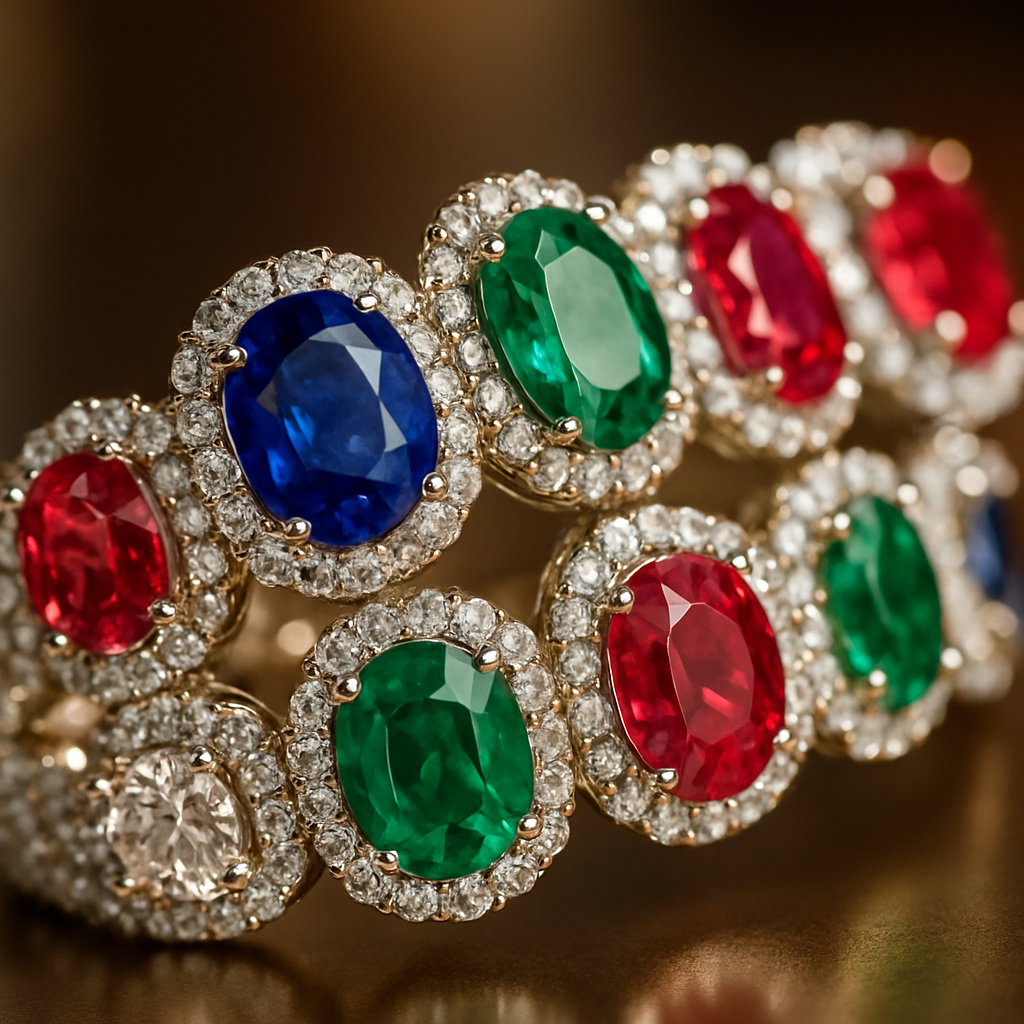
In this comprehensive guide, we'll explore how material selection fundamentally determines a gemstone bracelet's worth, examining everything from stone quality and metal composition to ethical sourcing and proper maintenance. Whether you're considering your first significant jewelry investment or expanding an established collection, you'll discover how to evaluate quality, recognize craftsmanship, and protect your valuable pieces for generations to come. Your go-to blog for chic accessories, thoughtful gift ideas, and everything stylish. Explore what's new at Do.Dreamss.
What defines a luxury gemstone bracelet? Materials, design, and craftsmanship
The distinction between ordinary gemstone jewelry and true luxury pieces lies in a sophisticated balance of exceptional materials, thoughtful design, and expert craftsmanship. This trinity of elements creates items that transcend mere accessories to become investment-worthy treasures.
Luxury gemstone bracelets begin with superior stones—those exhibiting exceptional color, clarity, and cut. Unlike mass-produced alternatives, high-end pieces feature carefully selected gems with minimal inclusions, superior light performance, and often rare color characteristics. These stones are typically natural rather than lab-created, with documented provenance from renowned mining regions.
The metal framework that houses these gems plays an equally crucial role. Premium bracelets utilize high-karat gold (18k or higher), platinum, or palladium—materials that resist tarnishing, maintain structural integrity, and develop a distinctive patina over decades of wear. The quality of these precious metals directly influences both the aesthetic appeal and long-term durability of the piece.
What truly separates collectable jewelry from ordinary accessories, however, is masterful craftsmanship. Luxury gemstone bracelets often feature hand-finished elements, precision stone-setting techniques like invisible or tension settings, and engineering that ensures comfort alongside security. Many high-end bracelets employ labor-intensive methods that require hundreds of hours of specialized work by master craftspeople.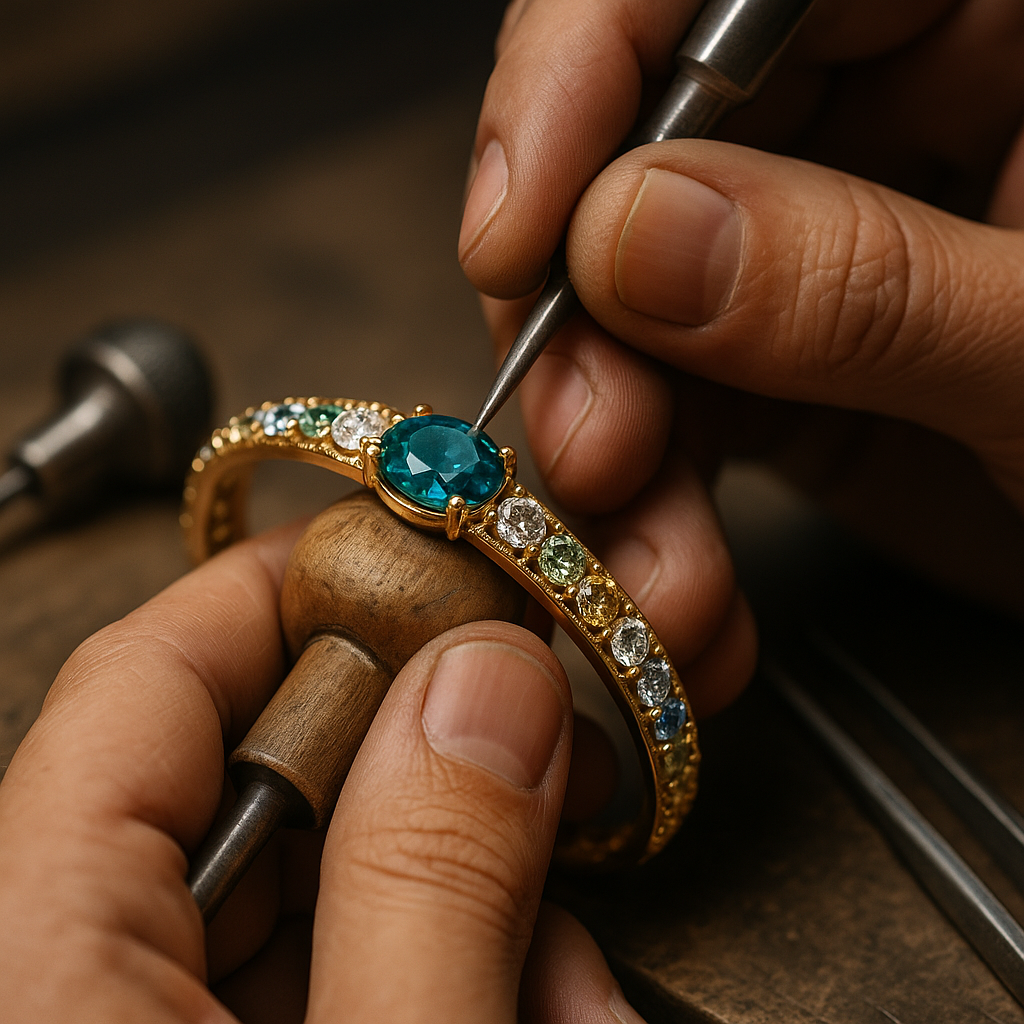
The heritage and modern evolution of gemstone bracelets
The tradition of adorning wrists with precious stones dates back millennia, with archeological evidence of gemstone bracelets from ancient Egyptian, Roman, and Asian civilizations. These early pieces served not just as decorative items but as symbols of status, talismanic protection, and demonstrations of wealth.
Today's luxury gemstone bracelets continue this legacy while incorporating modern innovations in metallurgy, gemology, and design. Contemporary craftspeople balance traditional hand-finishing techniques with cutting-edge technology like CAD modeling and precision stone-cutting. The result is jewelry that honors historical precedent while meeting modern expectations for wearability and durability.
Major jewelry houses maintain signature styles that have evolved over decades or even centuries, creating distinctive design languages that collectors recognize immediately. Independent artisans and handmade gemstone bracelet designers, meanwhile, push boundaries with innovative approaches to stone arrangement, metal treatments, and overall aesthetic.
When evaluating potential investment pieces, certification becomes paramount. Luxury bracelets typically come with extensive documentation, including gemstone certificates from respected organizations like GIA or AGS, along with details about the piece's creation, designer credentials, and authenticity guarantees. Do.Dreamss's curated collection of high-quality gemstone jewelry products exemplifies these luxury standards in material selection and meticulous design.
Gemstone quality: The true heart of investment value
At the core of any luxury bracelet's worth lies the quality of its gemstones. Understanding the factors that determine gemstone value empowers collectors to make discerning choices when adding to their jewelry portfolios.
Gemstone authenticity forms the foundation of value. Natural stones, formed over millions of years through geological processes, command significantly higher prices than their synthetic counterparts. While lab-created gems may exhibit similar physical and chemical properties, they lack the rarity and historical significance that drive investment value in the luxury market.
The source or origin of gemstones substantially influences both price and desirability. Certain mining locations have earned reputations for producing stones with exceptional characteristics—Kashmir sapphires, Colombian emeralds, and Burmese rubies command premium prices precisely because these regions yield stones with unmatched color saturation and clarity. Documentation proving a stone's geographic origin can significantly enhance its investment potential.
Clarity represents another crucial quality factor. Fine gemstones should be relatively free from inclusions, fractures, and other internal flaws that might compromise both beauty and durability. While different gem varieties have different clarity standards (emeralds typically contain more inclusions than sapphires, for instance), higher clarity invariably translates to higher value.
The cut of gemstones in premium bracelets demonstrates both technical precision and artistic vision. Well-cut stones display optimal light return, even color distribution, and pleasing proportions. Specialized cuts like cushion, emerald, and Asscher can enhance a stone's natural properties while elevating the overall design sophistication of the bracelet.
Treatment status dramatically affects investment value. Untreated, natural-color gemstones represent the highest tier of the market. Various enhancement processes—heat treatment, fracture-filling, diffusion, or irradiation—may improve a stone's appearance but generally decrease its collector value. Transparent disclosure of all treatments is essential in the luxury market.
Spotting authentic gemstones: What every buyer should know
Authenticating gemstones requires attention to several key indicators. Natural stones typically show slight irregularities in color distribution, subtle inclusions visible under magnification, and variations in fluorescence under ultraviolet light. Synthetic stones often appear too perfect, with unnaturally consistent coloration and unusually flawless clarity.
Serious investors should insist on gemstone certification from internationally recognized authorities like the Gemological Institute of America (GIA), American Gem Society (AGS), or International Gemological Institute (IGI). These reports provide objective, third-party verification of a stone's characteristics, including measurements, weight, cut quality, color, and clarity grades.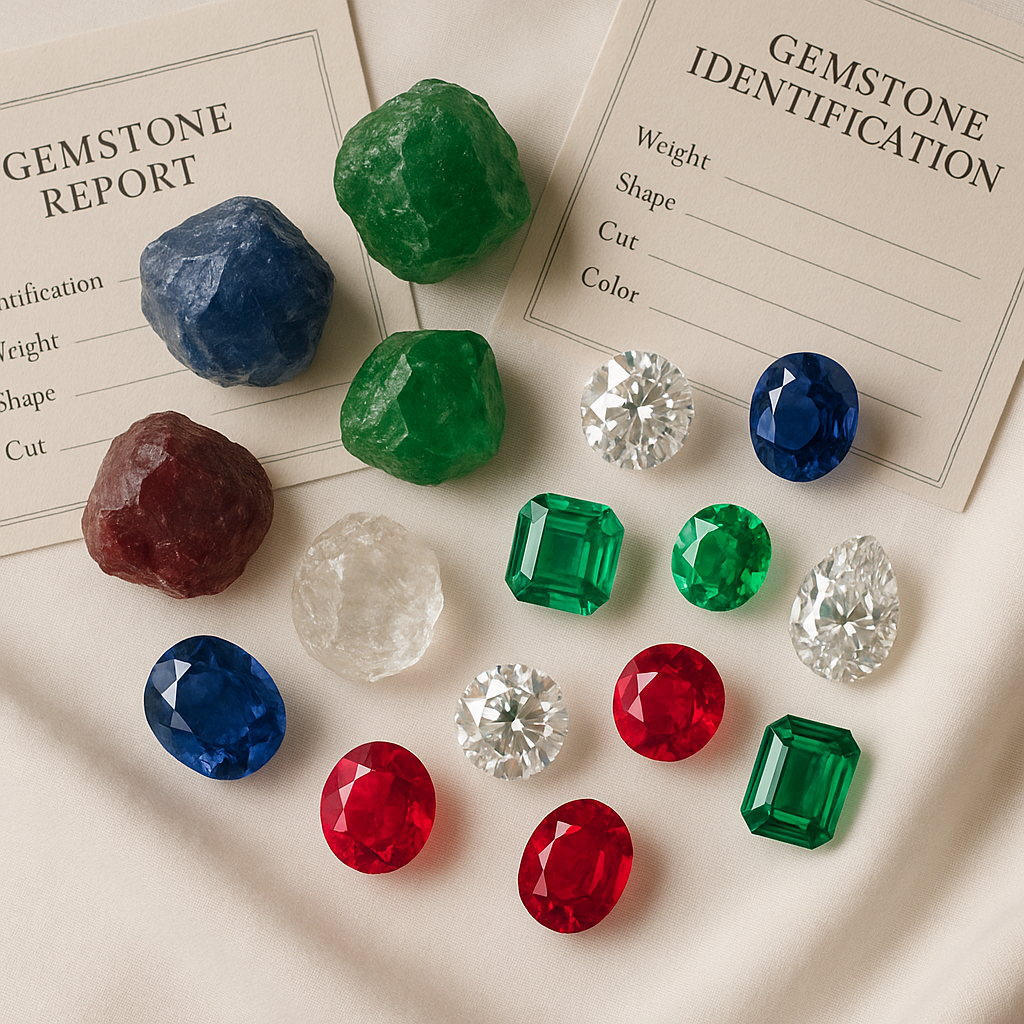
Legitimate luxury pieces come with comprehensive documentation tracing the gemstone's journey from mine to market. This documentation should include mining location, cutting details, certification information, and ownership history for significant pieces. Ethical sourcing documentation has become increasingly important as well, verifying that stones were obtained through responsible methods without funding conflict or exploitation.
For those interested in creating complementary jewelry sets or exploring gemstone combinations, Colorful Jewelry Combinations: How to Create Impactful Looks offers valuable insights into creating harmonious arrangements based on color theory and design principles.
Precious metals: Setting the stage for lasting elegance
While gemstones may capture immediate attention, the precious metals forming the structure of a bracelet play an equally vital role in determining its quality, longevity, and investment potential. The metal setting not only showcases the gemstones but also determines how well the piece will withstand decades of wear.
Gold remains the predominant choice for premium gemstone bracelets, with several variations offering distinct aesthetic and practical advantages. Pure 24-karat gold provides unmatched richness of color but lacks the durability needed for everyday jewelry. Consequently, luxury pieces typically feature 18-karat gold (75% pure), striking an optimal balance between color intensity and structural integrity.
Yellow gold offers timeless warmth that particularly enhances the appearance of colored gemstones like rubies, emeralds, and sapphires. Its traditional color connects modern pieces to centuries of jewelry heritage, making it especially desirable for investment pieces with classical design elements.
White gold, created by alloying yellow gold with palladium, nickel, or manganese, provides a contemporary alternative that beautifully complements diamonds and cooler-toned gemstones. Premium white gold pieces receive rhodium plating for enhanced brightness and scratch resistance, though this requires periodic renewal to maintain optimal appearance.
Rose gold, with its distinctive pink hue created through copper alloys, has surged in popularity for luxury gemstone bracelets. Its warm undertones beautifully complement skin tones and provide an elegant background for both vibrant and subdued gemstone colors.
Platinum stands as the ultimate luxury metal choice for discriminating collectors. Significantly more rare than gold and considerably denser (making platinum pieces noticeably heavier), platinum offers unparalleled durability and a naturally bright white color that never fades or tarnishes. While more expensive initially, platinum's extraordinary wear resistance makes it cost-effective over generations of ownership.
Beyond aesthetics, metal selection affects crucial practical considerations. Hypoallergenic properties become essential for those with metal sensitivities—platinum and high-karat gold typically cause fewer reactions than alloys containing nickel or other common sensitizers. Structural integrity, particularly in clasp mechanisms and stone settings, directly correlates to the quality of metal used.
Gold vs. platinum: Which is best for your gemstone bracelet?
Choosing between gold and platinum involves considering several factors beyond simple price comparison. Platinum's natural white color requires no maintenance to maintain its appearance, unlike white gold which needs periodic rhodium replating. Platinum's superior density and durability make it ideal for intricate settings that must securely hold valuable gemstones over decades or centuries.
Gold offers greater versatility in color options and can be recycled and reshaped more easily during future redesigns or repairs. Its lower melting point makes it somewhat more vulnerable to deformation under extreme conditions, but properly crafted gold pieces can still last for generations with appropriate care.
The ultimate choice often depends on both personal preference and the specific gemstones featured. Diamonds and white gemstones typically shine brightest against platinum or white gold, while colored stones may display greater vibrancy against yellow or rose gold backgrounds.
For those ready to explore exceptional examples of how precious metals and gemstones combine to create investment-quality pieces, Do.Dreamss's premium luxury bracelet selection showcases masterful combinations of elite metals and precious stones.
Long-term value: Maintenance, ethics, and investment return
The enduring value of luxury gemstone bracelets extends beyond their initial appeal, requiring consideration of maintenance requirements, ethical factors, and market dynamics that influence long-term returns.
Proper maintenance stands as perhaps the most critical factor in preserving both the beauty and financial value of fine jewelry. Regular professional cleaning and inspection—ideally semi-annually—allows for early identification of loose stones, worn prongs, or metal fatigue. These preventative measures help avoid catastrophic damage that could significantly diminish a piece's value.
Home care routines dramatically impact jewelry longevity. Storing pieces separately in soft-lined cases prevents scratching, while removing bracelets during activities involving chemicals, extreme temperatures, or potential impact protects their integrity.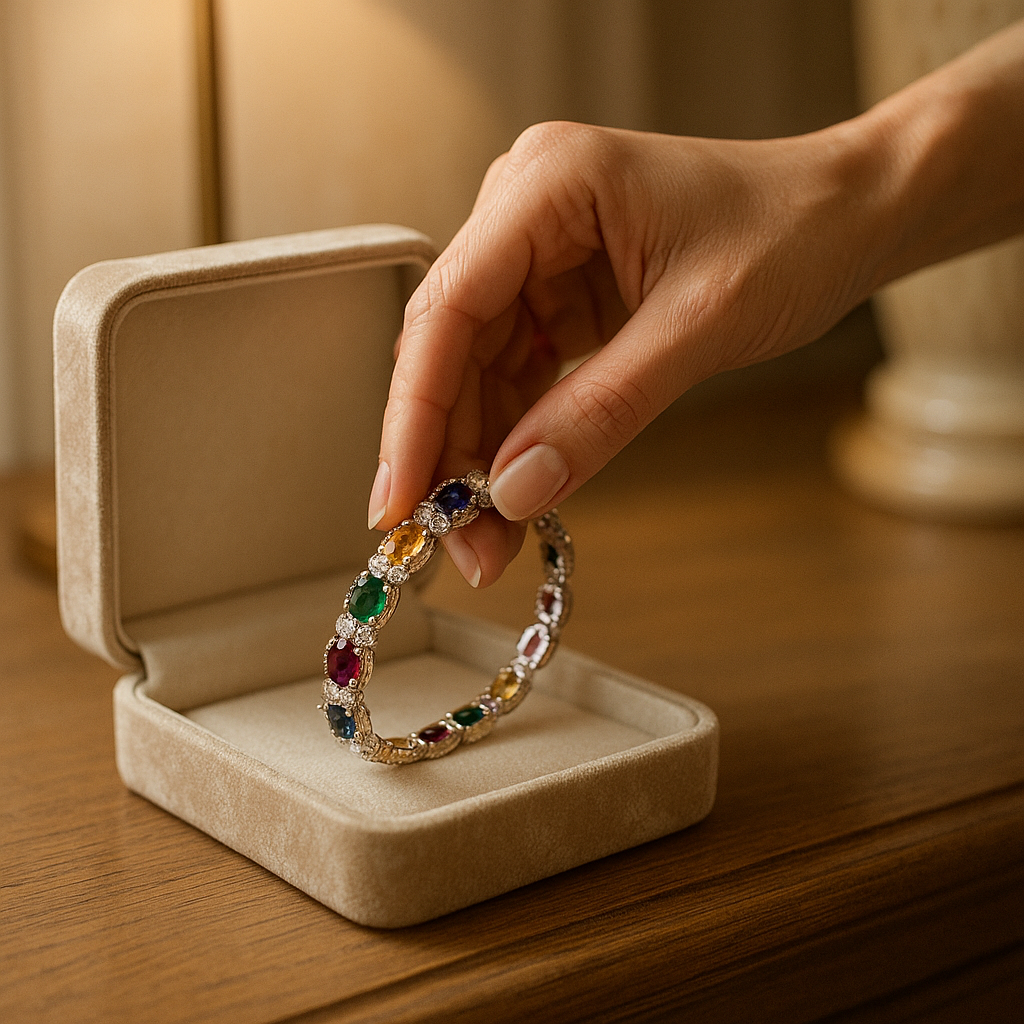
Gentle cleaning with appropriate solutions maintains brilliance without risking damage to delicate components.
Insurance represents an often-overlooked aspect of jewelry investment protection. Specialized jewelry policies provide coverage beyond standard homeowner's insurance, including protection against loss, theft, and damage. Detailed appraisals, regularly updated to reflect changing market values, ensure adequate coverage and documentation for valuable pieces.
Ethical sourcing has evolved from a peripheral concern to a central determinant of luxury jewelry value. Today's collectors increasingly demand transparent supply chains that verify gemstones were mined under humane conditions with minimal environmental impact. Brands that can document responsible sourcing practices command premium prices and enjoy enhanced reputation stability.
Environmental sustainability similarly influences both consumer preference and investment potential. Recycled precious metals, responsibly mined stones, and production processes that minimize carbon footprints increasingly characterize the most desirable luxury brands. This shift toward sustainability represents not just ethical progress but financial prudence, as regulatory environments increasingly favor environmentally responsible practices.
Market trends in gemstone valuation reveal certain stones consistently outperforming others as investments. While diamonds remain stable stores of value, colored gemstones—particularly fine rubies, sapphires, and emeralds—have demonstrated stronger appreciation in recent decades. Limited supply of high-quality specimens from traditional mining regions has driven particularly strong performance among untreated stones with exceptional color characteristics.
Brand heritage significantly impacts resale potential. Pieces from storied jewelry houses with centuries of history typically command higher prices at auction and maintain value more effectively during market fluctuations. Signed pieces from recognized designers similarly outperform anonymous work of comparable material quality.
Documentation preservation represents a crucial yet often neglected aspect of jewelry investment. Original certificates, purchase receipts, appraisals, service records, and authentication papers should be carefully maintained in secure, water-resistant storage. This documentation trail significantly enhances resale value and simplifies insurance claims or future authentication needs.
Conclusion
Luxury gemstone bracelets represent more than beautiful accessories—they embody the intersection of artistry, geological wonder, and investment potential. The materials that compose these exceptional pieces fundamentally determine both their immediate appeal and their long-term value proposition.
Superior gemstones with documented provenance, optimal clarity, and exceptional color characteristics form the foundation of investment-worthy pieces. The precious metals that showcase these gems—whether 18k gold in its various hues or platinum with its unmatched durability—provide the structural integrity and aesthetic framework that elevates mere jewelry to heirloom status.
Beyond material selection, factors including craftsmanship quality, ethical sourcing, proper maintenance, and comprehensive documentation collectively determine how well a gemstone bracelet will preserve and potentially increase its value over time. The most successful collectors approach their acquisitions with both passionate appreciation for beauty and rational evaluation of quality indicators.
As you consider your next fine jewelry investment, remember that truly exceptional pieces marry immediate visual impact with long-term durability and financial wisdom. By understanding the critical role materials play in determining both quality and value, you position yourself to make informed choices that will bring joy for a lifetime and potentially serve as valuable assets for generations to come. Browse the Do.Dreamss luxury collections to make your next inspired investment or find an elevated gift that combines beauty with lasting value.
Frequently Asked Questions
What materials are best for luxury gemstone bracelets?
High-quality natural gemstones (sapphires, emeralds, rubies, diamonds) set in precious metals (18k gold, platinum) are considered the best materials for luxury bracelets due to their durability and lasting value.
How can I tell if a gemstone bracelet is a good investment?
Look for authenticity certificates, reputable sourcing, superior craftsmanship, and precious metal hallmarks. Rarity and provenance also enhance investment potential.
Are synthetic gemstones a good option for high-end bracelets?
While synthetic stones can be beautiful, they typically lack the long-term investment value or prestige of naturally mined, certified gemstones.
How do I maintain the quality and value of my gemstone bracelet?
Regular gentle cleaning, professional inspections, proper storage, insurance, and prompt repairs will keep your bracelet in prime condition and retain its value.
Why is ethical sourcing important when investing in gemstone bracelets?
Ethical sourcing ensures your bracelet is made without harm to people or the environment, which increasingly affects desirability, resale value, and personal satisfaction.