

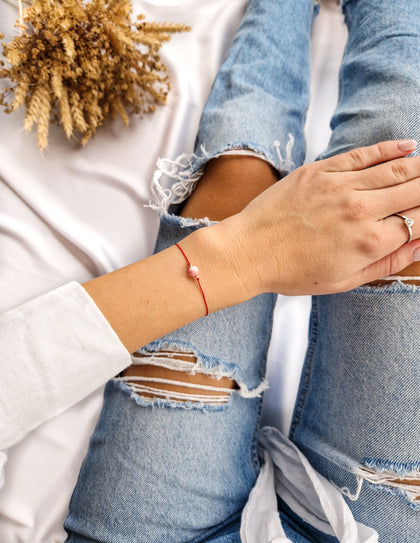


The Lucky Edit by Do.Dreamss
Handcrafted vs. Mass-Produced Jewelry: Which Should You Choose?
The jewelry you choose to wear is more than just decoration—it's a reflection of your personal style, values, and priorities. In today's diverse market, consumers face an important choice between handcrafted pieces, lovingly created by skilled artisans, and mass-produced jewelry, manufactured efficiently at scale. This distinction goes far beyond mere production methods and touches on questions of quality, ethics, personal expression, and value.
Throughout this guide, we'll explore the defining characteristics of both handcrafted and mass-produced jewelry, examining everything from production processes and material quality to environmental impact and emotional significance. By understanding these differences, you'll be equipped to make an informed decision that aligns with your individual needs, values, and aesthetic preferences.
Understanding the difference: how are these types of jewelry made?
At its core, the distinction between handcrafted and mass-produced jewelry lies in the creation process itself.
Handcrafted jewelry emerges from the dedicated work of individual artisans who apply specialized techniques developed over years of practice.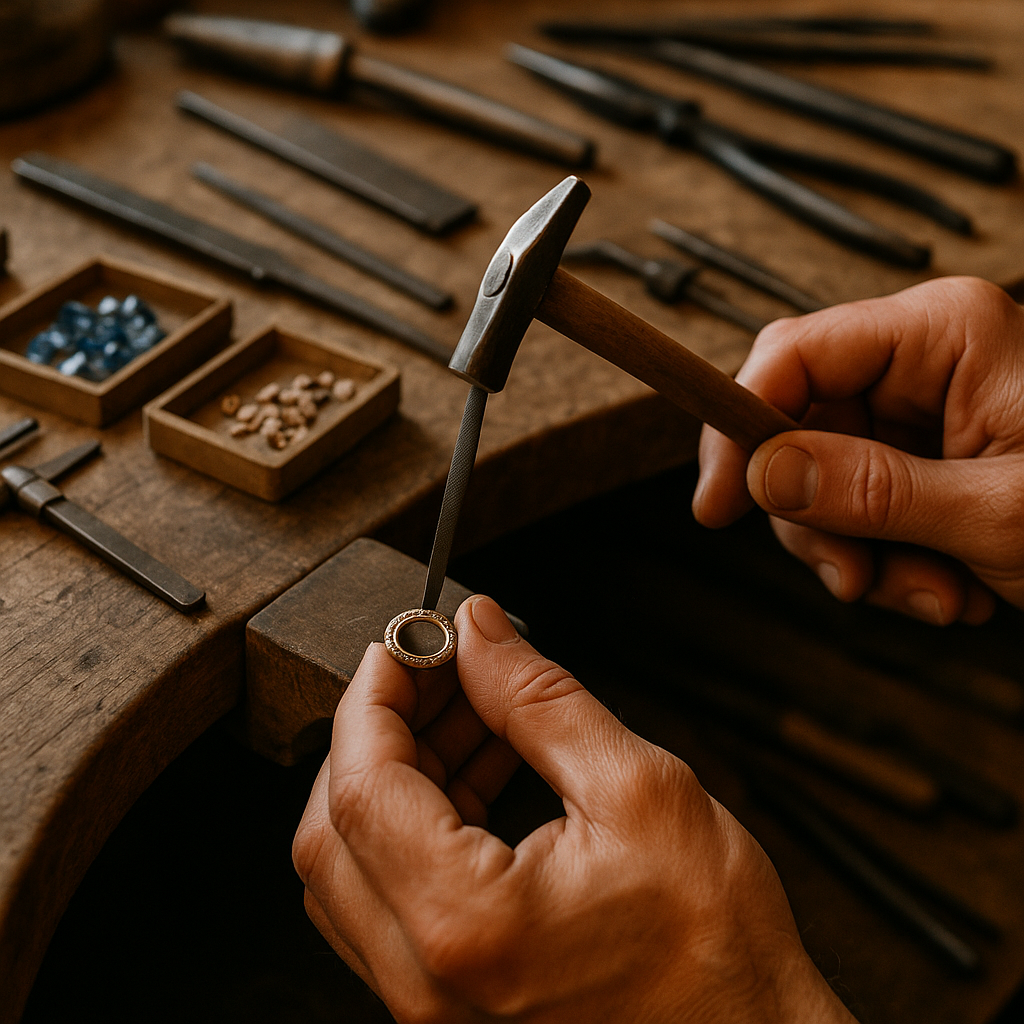
These makers typically work in small studios or workshops, using traditional tools like jeweler's saws, hammers, torch setups, and files. The creation process involves meticulous attention to each piece—from the initial design sketches to metal manipulation, stone setting, and final polishing. Each item undergoes countless hours of focused work, with the artisan making real-time adjustments based on the unique characteristics of the materials at hand.
Artisanal jewelry makers often pride themselves on hand fabrication techniques like wire wrapping, metal forging, lost-wax casting, and filigree work. These methods allow for creative expression and flexibility throughout the production process, resulting in pieces that carry the distinct mark of their creator.
In contrast, mass-produced jewelry follows standardized manufacturing protocols in factory settings. The process typically begins with computer-aided design (CAD) software to create precise digital blueprints. These designs then enter assembly-line production, where specialized machines handle tasks like casting, stamping, stone setting, and polishing. While skilled workers may oversee these operations, the focus remains on consistency, efficiency, and volume.
Factory jewelry production relies heavily on automated equipment, including hydraulic presses, injection molding machines, and computer-numeric-controlled (CNC) tools. These technological advantages enable manufacturers to create hundreds or thousands of identical pieces with minimal variation. The result is remarkable consistency across large production runs, which many consumers find appealing.
The core outcomes of these different approaches are readily apparent: handmade jewelry offers uniqueness and individual character, with subtle variations that showcase the human touch.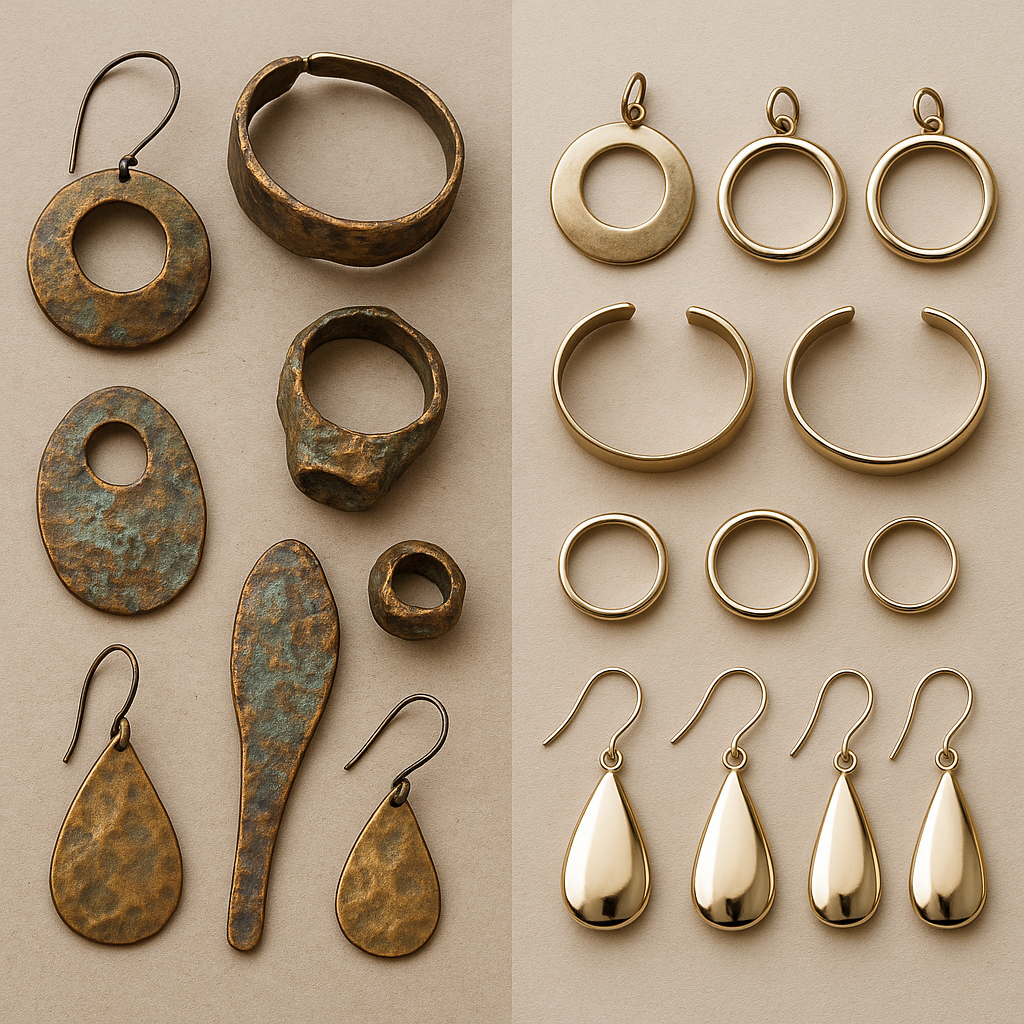
Mass-produced pieces deliver predictable uniformity and precision, with each item exactly matching the original design specifications.
Quality and craftsmanship: what's the real difference?
Quality in jewelry manifests through durability, attention to detail, and the overall execution of design elements—areas where production methods can make a significant difference.
Handcrafted jewelry typically benefits from the focused attention of a skilled artisan who can assess and respond to the unique properties of each material. This personalized approach often results in stronger structural integrity, particularly in crucial areas like clasps, prongs, and connection points. Artisans frequently employ time-tested techniques like hand soldering, which creates stronger bonds than mass-production methods, and careful stone setting that secures gems more thoroughly.
The custom nature of artisanal work allows makers to adjust their techniques based on the specific characteristics of each stone or metal. This adaptability can prevent future issues like loose stones or structural weaknesses. Additionally, independent jewelers typically conduct rigorous quality checks on each individual piece rather than spot-checking random samples from large batches.
Mass-produced jewelry follows standardized manufacturing protocols optimized for speed and volume. While modern technology ensures impressive precision, the emphasis on efficiency sometimes means less attention to reinforcement and finishing details. Machine-set stones may be secure but often lack the tailored setting approach of handmade pieces. Additionally, mass manufacturing typically relies on quality control sampling rather than individual inspection.
The variations present in handcrafted jewelry—slight asymmetries or unique texture patterns—actually represent its character and authenticity. These "imperfections" are increasingly valued by consumers seeking genuine artisanship in a world of identical products. Each handmade piece tells the story of its creation through these subtle marks of human involvement.
Consider exploring our collection of artisan jewelry to experience the quality difference firsthand. The superior craftsmanship often translates to longer-lasting pieces that maintain their beauty through years of wear, potentially becoming treasured heirlooms passed between generations.
Materials, ethics, and sustainability: what are you really wearing?
The materials that compose your jewelry and how they're sourced have significant implications for both quality and conscience.
Independent artisans typically work with smaller material quantities, allowing them greater selectivity and transparency in their supply chains.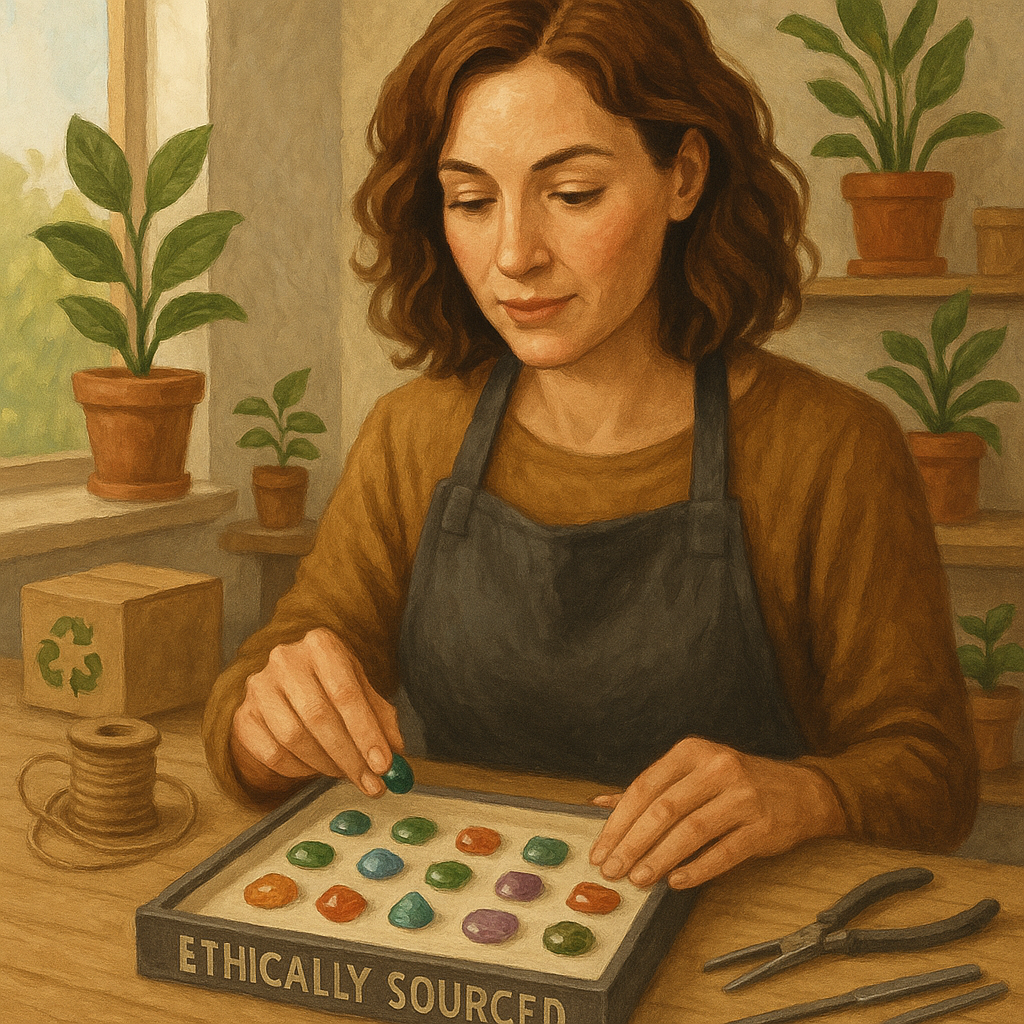
Many handcraft jewelers prioritize responsibly sourced materials including recycled precious metals, ethically mined gemstones, and conflict-free diamonds. This careful sourcing stems from both personal values and close customer relationships that demand accountability. Artisans often develop direct relationships with specific suppliers who share their ethical commitments.
Small-scale jewelry production generally creates a smaller environmental footprint. Artisans frequently employ eco-friendly practices such as using recycled metals, minimizing chemical use, and reducing packaging waste. Many independent makers have embraced innovative approaches like water recirculation systems for stone cutting or solar-powered studio operations.
Mass-produced jewelry often involves complex global supply chains that can make material tracing challenging. While many large manufacturers have adopted ethical sourcing initiatives, the scale and complexity of their operations sometimes create transparency gaps. The industrial processes used in mass production typically consume more energy and may involve more chemical treatments than artisanal methods.
The sustainability landscape is evolving rapidly, with more industry trends and updates showing both small and large jewelry producers adopting greener practices. However, handcrafted jewelry often maintains an edge in this area due to its smaller scale and direct maker-consumer relationship.
Beyond environmental concerns, purchasing handmade jewelry directly supports small business jewelry creators and local economies. This social dimension of sustainability represents another important consideration for ethically-minded consumers. By choosing artisanal pieces, shoppers often contribute to preserving traditional crafts and supporting creative livelihoods in their communities.
The materials in your jewelry ultimately reflect your personal values. Whether prioritizing environmental impact, social responsibility, or supply chain transparency, understanding material sourcing provides crucial context for making meaningful purchasing decisions.
Personalization and emotional value: jewelry that tells your story
Jewelry's most profound significance often lies in its ability to capture personal meaning and commemorate important moments in our lives.
Handcrafted jewelry excels in personalization possibilities, with artisans frequently offering customization options that transform pieces into deeply meaningful symbols. Many independent jewelers welcome collaborative design processes, allowing clients to incorporate birthstones, meaningful symbols, or specific aesthetic elements that reflect personal significance. This bespoke approach creates truly individualized treasures that carry unique stories.
The direct relationship between maker and wearer adds another dimension of connection. When purchasing from an independent artist, customers often interact with the actual creator, sharing the context and emotion behind their purchase. This personal exchange enriches the finished piece with additional layers of meaning and authenticity.
The uniqueness of handcrafted jewelry makes it especially appropriate for commemorating significant life events. Engagement rings, wedding bands, anniversary gifts, and milestone celebrations gain additional resonance when marked with one-of-a-kind creations. These pieces become physical embodiments of special moments, carrying emotional significance that extends far beyond their material value.
Mass-produced jewelry, while sometimes offering limited customization through engraving or size selection, typically cannot match the personalization depth available through artisanal creation. The standardized nature of factory production inherently limits the degree of individualization possible.
Many handcrafted pieces ultimately become family heirlooms, passing from one generation to the next along with their accompanying stories.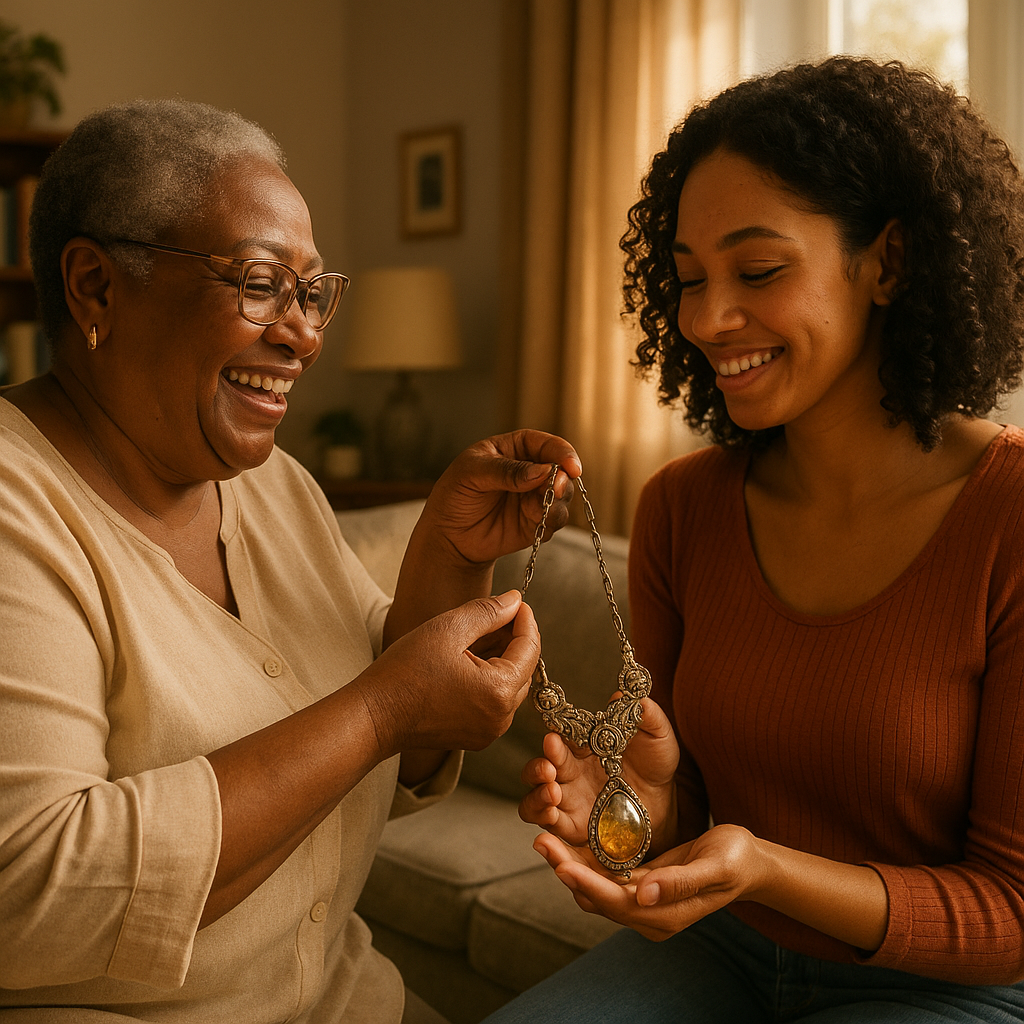
The emotional resonance of these items grows over time, accruing new layers of meaning as they witness family milestones across decades. This transformative potential represents one of the most compelling arguments for investing in personalized, handcrafted jewelry.
Explore our one-of-a-kind jewelry gifts to discover pieces that can become part of your personal story, expressing your individuality while creating lasting memories.
Cost, value, and investment: what's worth your money?
Understanding the financial aspects of jewelry requires looking beyond initial price tags to consider long-term value and investment potential.
Handcrafted jewelry typically commands higher prices upfront, reflecting several key factors: the extensive labor hours invested by skilled artisans, premium material quality, and the creative design process. These pieces represent not just physical materials but the accumulated expertise and artistic vision of their makers. Additionally, small-batch production cannot benefit from the economies of scale available to mass manufacturers, further contributing to higher retail prices.
However, examining value requires a broader perspective. Handmade pieces often demonstrate superior durability and craftsmanship, potentially lasting decades or even generations with proper care. This longevity extends their functional lifespan far beyond typical mass-produced alternatives, effectively amortizing the initial investment across many more years of enjoyment.
The unique nature of artisanal jewelry also affects its long-term value. While mass-produced items quickly depreciate after purchase (similar to most consumer goods), well-crafted artisanal pieces sometimes maintain or even increase their value over time, particularly those from recognized artists or those incorporating valuable materials. This value retention makes handcrafted jewelry more comparable to an investment than a simple purchase.
Mass-produced jewelry offers clear financial advantages in terms of accessibility and initial affordability. Factory production efficiencies and economies of scale allow manufacturers to create attractive pieces at significantly lower price points, making fashionable options available to broader consumer segments. This democratization of jewelry has undeniable social benefits, allowing more people to enjoy beautiful accessories.
When evaluating what's worth your money, consider your personal priorities: Is this a casual fashion accessory for temporary enjoyment, or a significant piece intended to last for years? Are you seeking the lowest possible price, or willing to invest more for uniqueness, craftsmanship, and potential heirloom status? For more perspective on making thoughtful jewelry purchases, explore our chic accessories and thoughtful jewelry purchases guide.
The true value equation extends beyond simple dollar figures to include considerations of meaning, quality, sustainability, and personal connection—factors that vary widely based on individual priorities and circumstances.
How to choose: making the right decision for you
Navigating the jewelry marketplace effectively requires thoughtful consideration of your personal needs and values.
Begin by clarifying your primary motivations: Are you seeking a statement piece that expresses your unique personality? A meaningful gift to commemorate a special occasion? An everyday accessory that complements your wardrobe? Or perhaps an ethical purchase that aligns with your social and environmental values? Understanding your core objectives will naturally guide you toward either handcrafted or mass-produced options.
When exploring handcrafted jewelry, investigate the maker's background and approach. Reputable artisans typically share their techniques, material sources, and creative philosophy openly. Look for clear communication about materials, including specific details about gemstone origins, metal composition, and finishing processes. Review the artisan's portfolio to assess style consistency and craftsmanship quality across multiple pieces.
For those considering mass-produced jewelry, research the manufacturer's quality standards and ethical commitments. Established brands often publish information about their manufacturing processes, quality control procedures, and sustainability initiatives. Customer reviews can provide valuable insights into durability and satisfaction over time. Examine warranty offerings, which often indicate the company's confidence in their products.
Practical shopping strategies can help you find quality pieces regardless of production method:
- examine clasps and connection points carefully, as these often reveal overall construction quality
- check stone settings by gently testing security (stones should not wiggle)
- assess metal weight and substantial feel, which often correlates with durability
- verify proper hallmarking or quality stamps indicating metal purity
- research return policies and satisfaction guarantees before purchasing
Consider discovering independent designers at local craft markets, specialized online platforms, or juried art shows. These venues often reveal emerging talent and unique perspectives not available through mainstream retail channels. Many small jewelry businesses offer consultation services to help customers navigate options and find their perfect piece.
Remember that the "right" choice isn't universal—it's deeply personal, reflecting your individual priorities, budget constraints, and aesthetic preferences. Some wardrobes might benefit from a thoughtful mix of special handcrafted pieces for significant occasions complemented by affordable mass-produced items for everyday versatility.
Conclusion
The choice between handcrafted and mass-produced jewelry ultimately reflects your personal values, style preferences, and purchasing priorities. Handcrafted pieces offer uniqueness, superior craftsmanship, ethical transparency, and emotional resonance—qualities that justify their higher price points for many conscious consumers. These artisanal creations often become cherished possessions that carry stories and meaning far beyond their material components.
Mass-produced jewelry provides accessibility, affordability, and consistency, making beautiful adornments available to wider audiences. The precision of modern manufacturing ensures reliable quality at approachable price points, allowing consumers to enjoy current trends without significant financial commitment.
Your ideal jewelry collection might incorporate both approaches: investing in handcrafted, meaningful pieces for significant occasions and milestones, while enjoying affordable mass-produced options for everyday wear or experimental styling. This balanced approach honors both the deep tradition of jewelry craftsmanship and the democratic accessibility of contemporary fashion.
Whichever path you choose, approaching jewelry purchases with awareness of production methods, material sources, and value considerations will lead to more satisfying acquisitions that align with your personal style and values. The perfect piece isn't simply the most expensive or trendy option—it's the one that resonates with your individual story and brings you genuine joy each time you wear it.
Frequently asked questions
What is the main difference between handcrafted and mass-produced jewelry?
Handcrafted jewelry is made individually by skilled artisans, resulting in unique, one-of-a-kind pieces, while mass-produced jewelry is manufactured in bulk, leading to uniformity and lower prices.
Is handcrafted jewelry always more expensive?
While handcrafted jewelry often has higher upfront costs due to superior materials and labor, it can offer better long-term value, durability, and emotional significance.
Are there ethical benefits to buying handcrafted jewelry?
Yes, handcrafted jewelry is often made with ethically sourced or recycled materials and supports local artisans, reducing environmental impact and promoting fair labor.
Can handcrafted jewelry be customized?
Absolutely—personalization, such as custom designs, engraving, or birthstone additions, is a key advantage of handcrafted pieces over mass-produced ones.
How do I know if a piece is truly handmade?
Look for signs of artisan craftsmanship such as subtle design variations, visible maker's marks, and direct interaction with the artist or small studio.