




The Lucky Edit by Do.Dreamss
What Makes Jewelry 'Handmade'? Discover the Difference
In a world of mass production, handmade jewelry stands as a testament to human creativity and craftsmanship. The allure of handcrafted pieces has seen a remarkable resurgence in recent years, with more consumers seeking authentic, unique items that tell a story. But what exactly qualifies jewelry as "handmade" versus machine-produced? This distinction goes beyond marketing terminology—it represents fundamentally different approaches to creation, quality, and value.
Throughout this exploration, you'll discover the defining characteristics of true handmade jewelry, the techniques artisans use to create these pieces, and why these distinctions matter when making your next jewelry purchase. Whether you're searching for a meaningful gift or adding to your personal collection, understanding these differences will transform how you discover stylish gift ideas and appreciate the artistry behind truly handcrafted pieces.
What defines handmade jewelry? A clear industry perspective
The term "handmade" in jewelry carries significant weight but can sometimes be applied loosely in marketing. True handmade jewelry refers to pieces primarily crafted by human hands rather than machines. While the definition may seem straightforward, various industry standards and classifications help distinguish genuinely handmade pieces from those merely assembled or machine-produced with minimal human intervention.
According to industry guidelines, including those referenced by the Federal Trade Commission (FTC), handmade jewelry involves substantial manual labor throughout the creative process. The distinction often lies in how much of the work is done by hand versus machine. Handcrafted jewelry typically involves an artisan directly shaping, forming, or manipulating materials, while maintaining creative control over the entire process.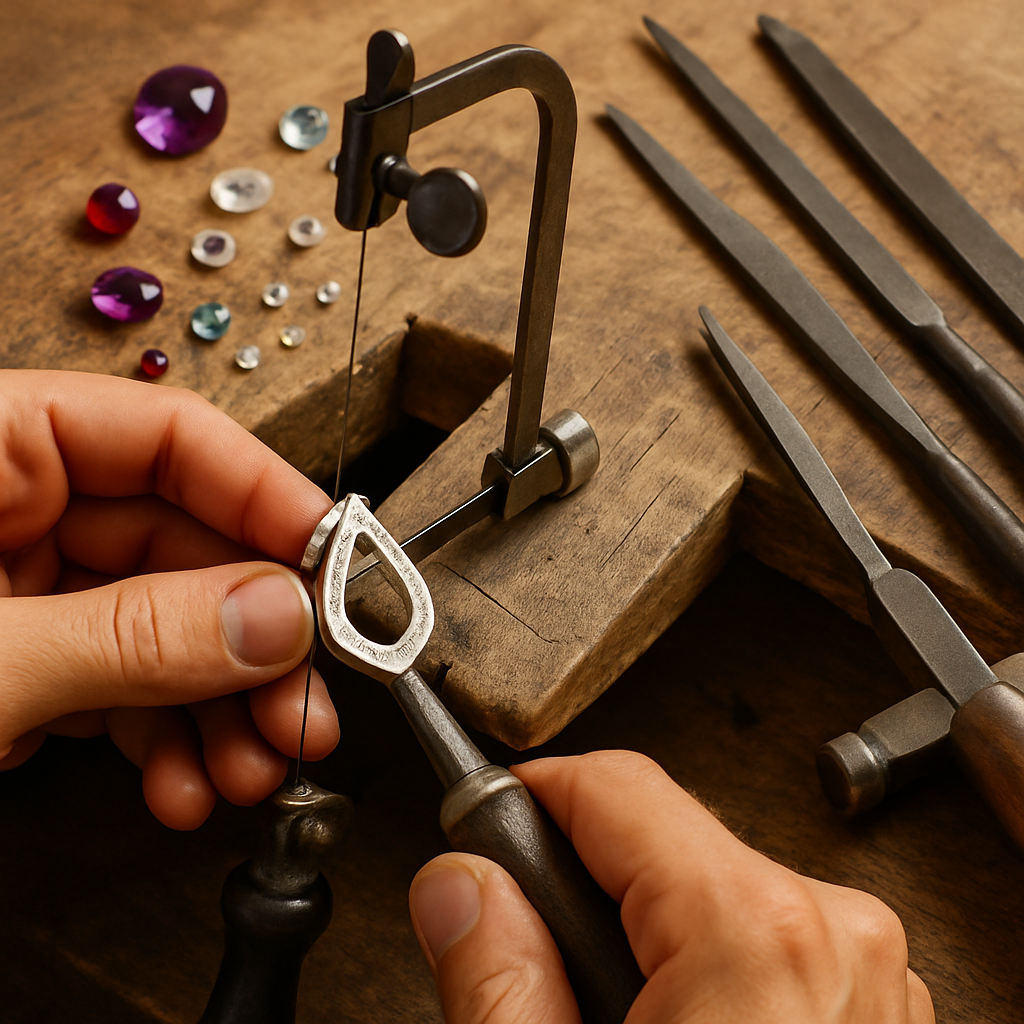
True artisan jewelry often carries subtle variations or "imperfections" that actually serve as hallmarks of authentic handwork. These characteristics demonstrate that each piece was individually crafted rather than mass-produced. Unlike perfectly identical machine-made pieces, these variations tell the story of the maker's hands and add character to each creation.
The difference between terms like "handmade," "handcrafted," and "hand-assembled" can be significant. Handmade generally implies the highest degree of manual craftsmanship, where most aspects of production involve direct human manipulation. Handcrafted might incorporate some machine processes alongside substantial hand work, while hand-assembled often means pre-manufactured components are manually put together—representing the lowest threshold of "handmade" classification.
The core techniques behind handmade jewelry
Understanding the techniques jewelers use helps clarify what truly constitutes handmade jewelry. These methods require specialized skills, often developed over years of practice, and result in distinctive pieces that machine production simply cannot replicate.
Metalsmithing & fabrication
Metalsmithing forms the backbone of traditional jewelry crafting and involves manipulating metal through various techniques. Artisans work with sheets or wires of precious metals, cutting, shaping, and joining them through processes like:
- sawing - cutting metal with specialized jeweler's saws to create specific shapes
- filing - smoothing edges and refining forms with precise hand tools
- forging - hammering metal to create texture or shape it into desired forms
- soldering - joining metal pieces using heat and solder to create seamless connections
- forming - bending, shaping, and manipulating metal with specialized tools
Hand-fabricated jewelry showcases the direct relationship between the artisan and material. Even when utilizing torch flames or simple tools, the jeweler's hands guide each step of the process, making decisions that affect the final piece. This hands-on approach results in jewelry with unique characteristics that reflect the maker's personal style and expertise.
Assembly & beaded jewelry
Assembly techniques involve combining pre-made components to create finished pieces. While some mass-producers use this method for quick production, artisanal assembly still requires significant skill and design expertise:
- bead stringing - carefully selecting and arranging beads on thread or wire
- knotting - placing knots between beads for security and aesthetic effect
- wire linking - creating connections between components using hand-formed wire
- component integration - combining findings like clasps, earwires, and connectors
The distinction between mass assembly and handcrafted assembly often lies in the intentional selection of components, design originality, and careful attention to detail.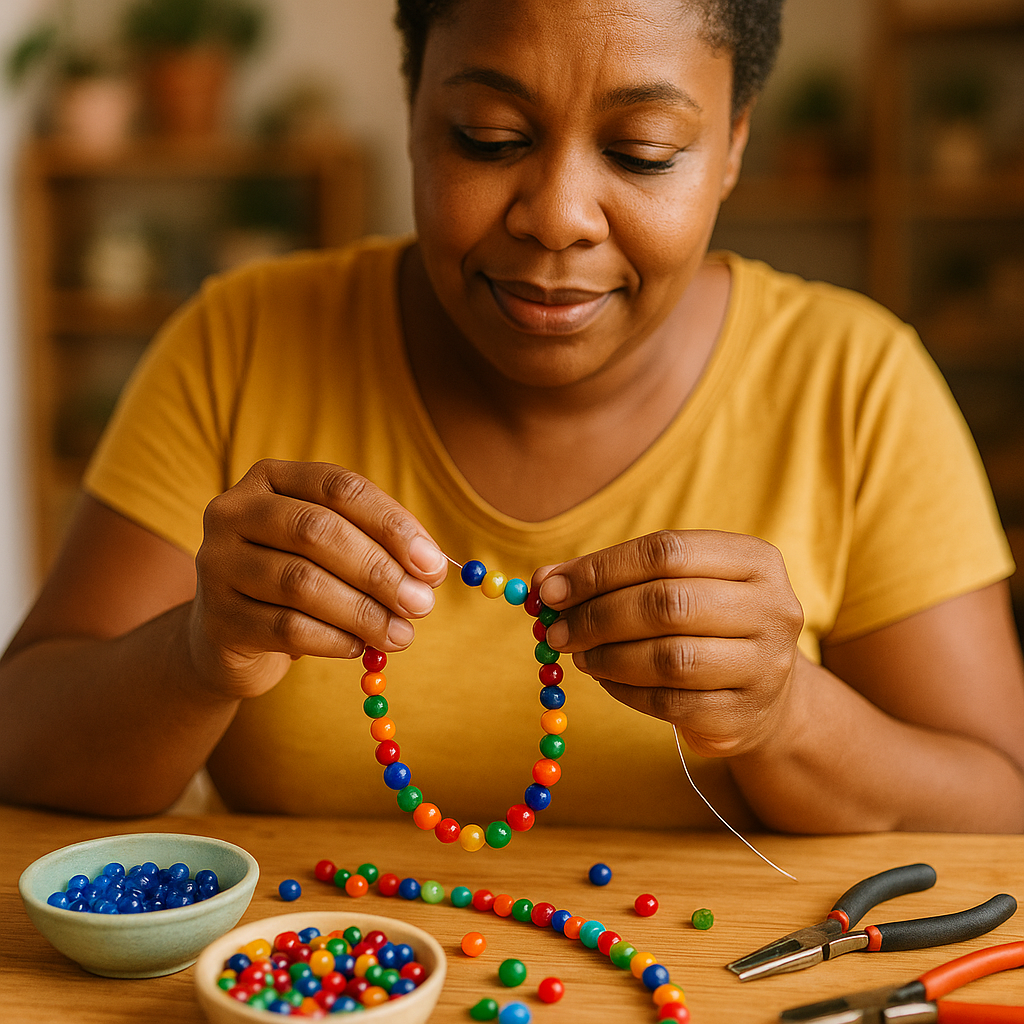
A skilled artisan creates harmonious designs through thoughtful combination of elements, proper technique, and quality materials. You can explore our unique jewelry collections to see examples of expertly crafted beaded pieces.
Wire-wrapping & custom work
Wire-wrapped jewelry represents one of the most distinctive handmade techniques, requiring patience and dexterity:
- free-form wrapping - manipulating wire without molds or jigs to create organic designs
- stone setting - securing gemstones within wire frameworks without traditional prongs
- weaving patterns - creating intricate designs through systematic wire manipulation
- cold connections - joining elements without heat through mechanical techniques
Wire-wrapped pieces are nearly impossible to mass-produce since each wrap and turn requires individual attention. The technique allows artisans to incorporate unusual gemstone shapes or create one-of-a-kind designs that would be impractical for machine production.
Casting & finishing
Casting occupies an interesting position in the handmade spectrum. The process begins with a handcrafted original model (often carved in wax), which is then used to create molds for reproducing the design. While casting allows for replication, several factors distinguish artisanal casting from mass production:
- hand-carved originals - creating the initial design model by hand
- small-batch production - casting limited numbers rather than mass quantities
- hand finishing - filing, polishing, and refining each cast piece individually
- customization - making adjustments to each cast piece to ensure uniqueness
Many artisans consider hand-finished cast pieces to qualify as handmade when significant manual labor transforms the raw casting into a finished piece. The distinction often lies in the amount of handwork applied after casting and the limited production quantities.
Handmade vs. machine-made jewelry: Key differences
The contrast between handmade and machine-made jewelry extends far beyond production methods to encompass material selection, quality control, and the finished product's character. Understanding these differences helps consumers make informed choices about their jewelry purchases.
Materials and sourcing
Artisan jewelers typically select materials with greater care and intention than mass producers. While large manufacturers prioritize cost-efficiency and uniformity, handmade jewelers often choose materials based on quality, ethical considerations, and aesthetic value.
- Handmade: Often uses higher quality metals and gemstones, frequently ethically sourced or recycled, with selection based on individual piece requirements
- Machine-made: Typically uses standardized materials purchased in bulk, with consistency prioritized over uniqueness, and cost efficiency as a primary consideration
Independent artisans frequently develop relationships with specific suppliers who share their values regarding sustainability and ethical sourcing. This connection to material origins adds another layer of meaning to handcrafted pieces that factory production cannot replicate.
Production process and quality
The production approach fundamentally differs between handmade and machine-made jewelry:
- Handmade: Created one piece at a time, with close attention to detail, allowing for adjustments during creation, and individual inspection of each piece
- Machine-made: Produced in large batches, with standardized processes, automated quality control, and minimal variation between pieces
Machine production excels at creating perfectly identical pieces quickly and affordably. However, this efficiency comes at the expense of the nuance and character that define handcrafted work. Artisans can make real-time decisions during creation, adapting to the unique properties of materials or incorporating creative inspiration as it strikes—something machines simply cannot do.
Durability and longevity
Contrary to some assumptions, well-made handcrafted jewelry often demonstrates superior durability compared to mass-produced pieces:
- Handmade: Features stronger joins and connections, better stone setting security, easier to repair when damaged, and constructed with longevity in mind
- Machine-made: May have weaker structural elements, uses thinner materials to reduce costs, can be difficult to repair if damaged, and is often designed for temporary fashion trends rather than heirloom quality
Artisans typically invest more time in constructing secure settings, reinforced components, and proper finishing—all factors that contribute to a piece's longevity. Additionally, handmade pieces are generally easier to repair since the maker understands the construction methods and can address issues individually rather than simply replacing the entire item.
Customization and uniqueness
Perhaps the most significant difference between handmade and machine-made jewelry lies in its uniqueness:
- Handmade: Each piece is one-of-a-kind or part of very limited editions, easily customizable to client preferences, and carries the distinctive style of its creator
- Machine-made: Produced in hundreds or thousands of identical copies, offers limited or no customization options, and focuses on trend replication rather than originality
The ability to explore colorful jewelry combinations and create personalized designs represents one of handmade jewelry's greatest advantages. Many artisans welcome customer input, creating truly bespoke pieces that reflect the wearer's personality and preferences—a service mass producers simply cannot offer.
Environmental and ethical impact
The contrasting approaches to jewelry production also create different environmental and social footprints:
- Handmade: Often uses sustainable practices, creates minimal waste, supports local economies, and provides transparent sourcing information
- Machine-made: May involve resource-intensive manufacturing, generates more industrial waste, often involves complex global supply chains, and provides limited transparency about origins
Artisanal jewelry typically has a smaller carbon footprint simply because of its reduced scale and localized production. Many handmade jewelers also explicitly commit to environmental and ethical standards, using recycled metals, responsibly sourced gemstones, and non-toxic production methods—values increasingly important to conscious consumers.
Why choose handmade? The value for buyers & collectors
The decision to invest in handmade jewelry goes beyond aesthetics or trend-following—it reflects deeper values and priorities that resonate with many contemporary consumers.
Exclusivity and uniqueness
In a world of mass production and cookie-cutter designs, handmade jewelry offers genuine uniqueness. Each piece carries subtle variations that make it truly one-of-a-kind, even when based on a similar design concept. This exclusivity allows wearers to express individuality and personal style in ways that mass-produced jewelry simply cannot match.
For collectors, handmade pieces offer distinctiveness that becomes increasingly valuable over time. As artisans develop their careers, early or limited-edition works often appreciate in both monetary and sentimental value—something rarely seen with factory-made items.
Connection to maker and process
Handmade jewelry creates a tangible link between creator and wearer. When purchasing from an artisan, buyers often learn the story behind their piece—the inspiration, techniques used, and even challenges overcome during creation. This narrative connection adds emotional depth to the jewelry that transcends its physical properties.
Many artisans sign their work or include maker's marks that authenticate the piece and connect it permanently to its creator. This connection to human creativity becomes part of the jewelry's value and meaning, creating a sense of provenance rarely found in mass-produced items.
Ethical and environmental considerations
For socially and environmentally conscious consumers, handmade jewelry aligns with values of sustainability and ethical consumption. By supporting independent artisans, buyers contribute directly to local economies and traditional crafts rather than corporate profit margins.
Many handmade jewelry creators explicitly commit to ethical sourcing, using recycled metals, conflict-free gemstones, and sustainable production methods.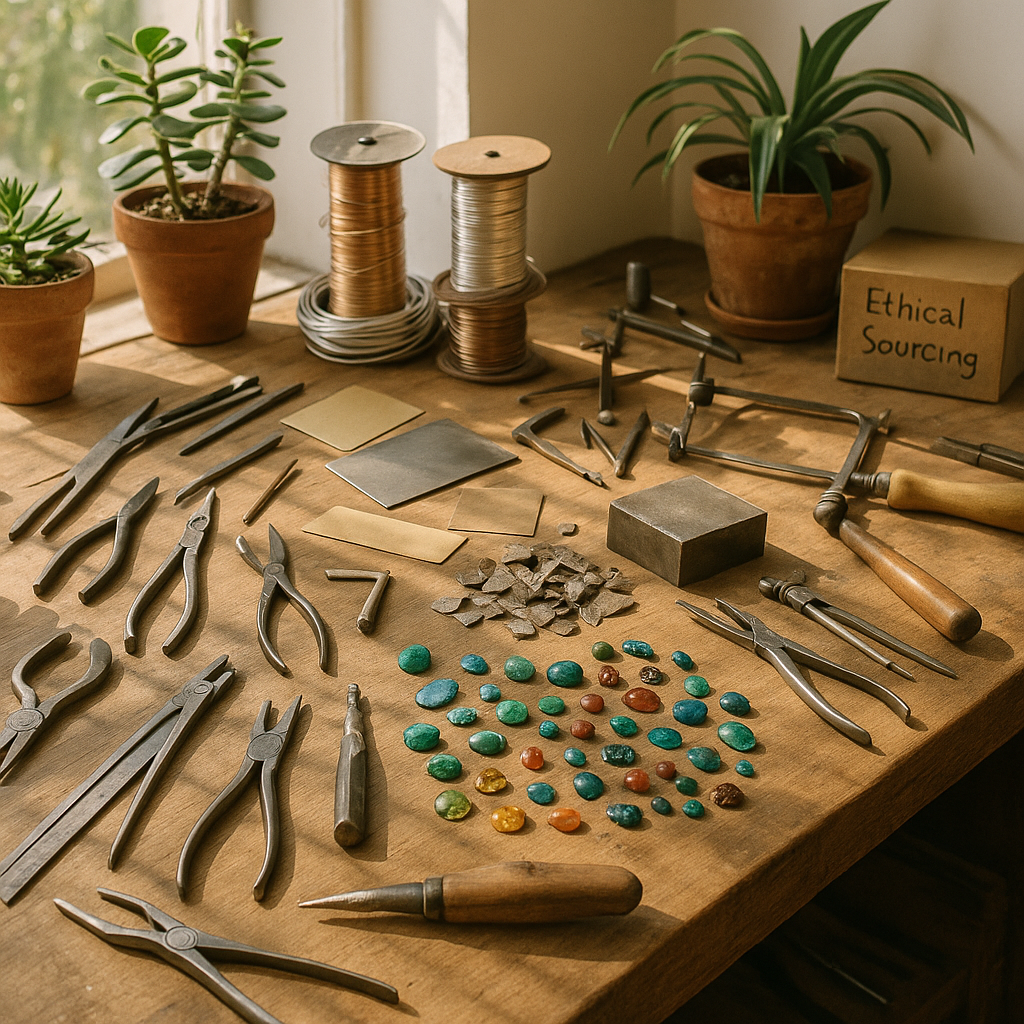
This transparency allows consumers to make purchases that reflect their personal values and minimize negative environmental impact.
Customization and personal meaning
Perhaps the most significant advantage of handmade jewelry is the potential for customization. Many artisans welcome collaboration with clients to create pieces that hold specific meaning—incorporating birthstones, commemorating important dates, or designing around personal symbols.
This collaborative creation process results in jewelry that carries profound personal significance, often becoming family heirlooms passed through generations. The ability to participate in the design process creates an emotional investment that makes these pieces particularly meaningful to their owners. Explore our unique jewelry selection today to discover pieces that can be customized to your personal story.
Quality and craftsmanship
Handmade jewelry typically demonstrates superior craftsmanship and attention to detail. Artisans invest time in proper finishing, secure settings, and structural integrity—creating pieces meant to last for generations rather than follow temporary trends.
This quality-focused approach often results in jewelry that maintains its beauty and function far longer than mass-produced alternatives. While the initial investment may be higher, the longevity and timelessness of well-crafted pieces often provide better value over time.
Conclusion
The distinction between handmade and machine-made jewelry extends far beyond production methods—it represents different philosophies about creation, quality, and value. Genuine handmade jewelry carries the direct imprint of its creator, reflecting human creativity, skill, and attention that machines simply cannot replicate.
As consumers become increasingly conscious of where their purchases come from and how they're made, handcrafted jewelry offers a meaningful alternative to mass production. The unique character, ethical transparency, and personal connection of artisanal pieces create value that transcends their material components.
Whether you're drawn to the exclusivity, craftsmanship, customization potential, or ethical considerations, handmade jewelry offers tangible benefits worth considering for your next purchase. By choosing artisan-made pieces, you not only acquire jewelry with distinctive character and quality but also support the continuation of traditional crafts and independent creators in an increasingly automated world.
Frequently Asked Questions
What makes jewelry truly 'handmade'?
Handmade jewelry is crafted by artisans without mass-production machines, using traditional techniques such as fabrication, assembly, or wire-wrapping. Each piece is individually finished and unique.
Is artisan jewelry better quality than machine-made?
Artisan jewelry is often made with higher-quality materials and more attention to detail, making it unique, durable, and meaningful compared to mass-produced items.
How can I tell if a piece is genuinely handmade?
Look for slight imperfections or unique details, artisan signatures, and evidence of handwork such as tool marks. Reputable sellers will describe their process and may offer certificates or background on the maker.
Can handmade jewelry be customized?
Yes, many artisans offer customization—from personalized engravings to bespoke designs, allowing for unique jewelry tailored to your preferences.
Is handmade jewelry more sustainable?
Typically, yes. Artisans often use ethically sourced or recycled materials, handcraft in small batches, and focus on sustainable techniques.