
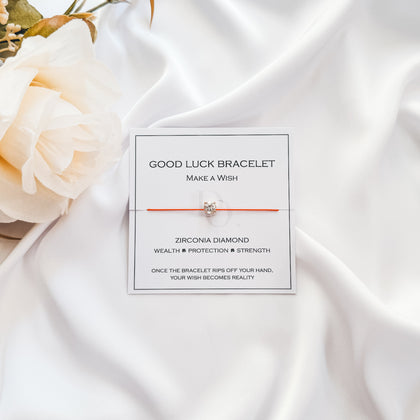
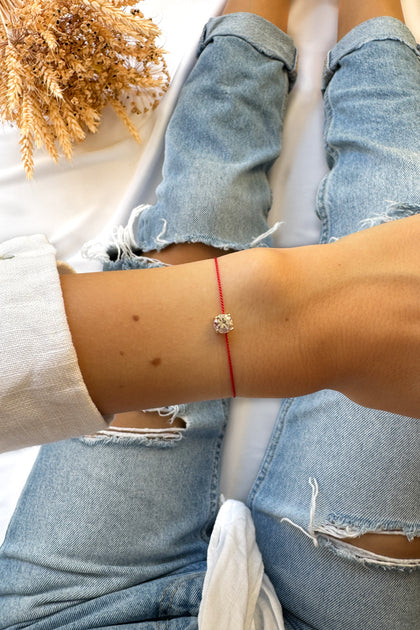
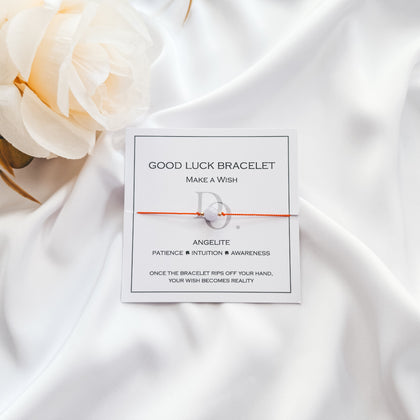
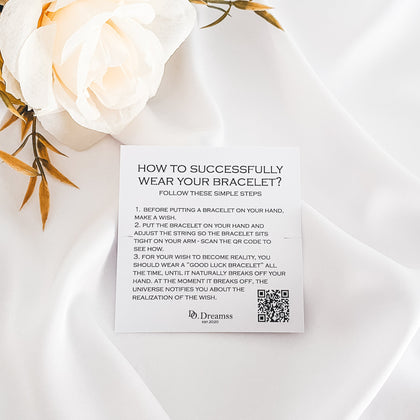
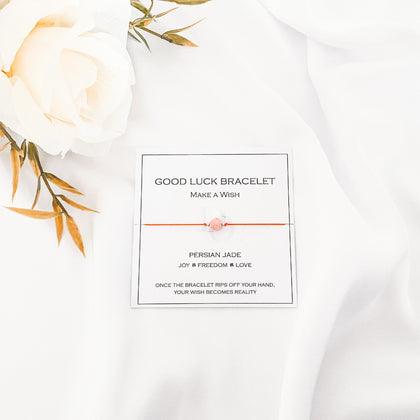



The Lucky Edit by Do.Dreamss
Why We Believe in Luck: The Philosophy Behind Our Brand
Across cultures and throughout history, humans have been captivated by the concept of luck. From four-leaf clovers to lucky numbers, from rabbit's feet to special rituals before important events—our fascination with luck reveals something profound about human nature. This universal phenomenon isn't merely superstition; it reflects our deep-seated need for meaning, control, and hope in an unpredictable world. At Do.Dreamss, our entire philosophy centers around this powerful concept—not as passive wishing, but as an active force that inspires intentional living and meaningful connection.
In this exploration, we'll uncover the psychological foundations of luck beliefs, examine how science views this phenomenon, and reveal how the right perspective on luck can become a transformative force in your life. You'll discover how our brand philosophy transforms ancient wisdom about fortune into modern tools for inspired, purposeful living.
The human drive to find meaning in chance
Humans are natural pattern-seekers. Our brains evolved to identify connections, even when they might not objectively exist. This cognitive tendency—finding signal within noise—helped our ancestors survive by anticipating dangers and opportunities. The concept of luck emerged from this fundamental drive to make sense of unpredictable events, especially those beyond our control.
Throughout history, luck has served as a framework for understanding success and failure. Ancient Romans consulted the goddess Fortuna, while Chinese civilization developed elaborate systems around luck and fortune. These weren't merely superstitions but sophisticated meaning-making systems that helped people navigate uncertainty and maintain psychological equilibrium in the face of life's randomness.
Modern neuroscience confirms this pattern-seeking behavior is hardwired into our brains. When faced with ambiguous situations or unexpected outcomes, the mind instinctively searches for explanations. Believing in luck provides a narrative structure for random events, offering comfort through perceived order—even when that order might be illusory.
The concept of luck also speaks to our desire for agency in a complex world. By attributing certain outcomes to luck (good or bad), we create space for both accountability and grace in our understanding of success and failure. This balanced perspective acknowledges both personal responsibility and forces beyond our control—a nuanced view that allows for both striving and acceptance.
Cultural symbols of luck through the ages
Lucky symbols reflect our collective wisdom about fortune. The hamsa hand in Middle Eastern traditions, the four-leaf clover in Western culture, and the laughing Buddha in parts of Asia—all serve as physical embodiments of abstract hopes.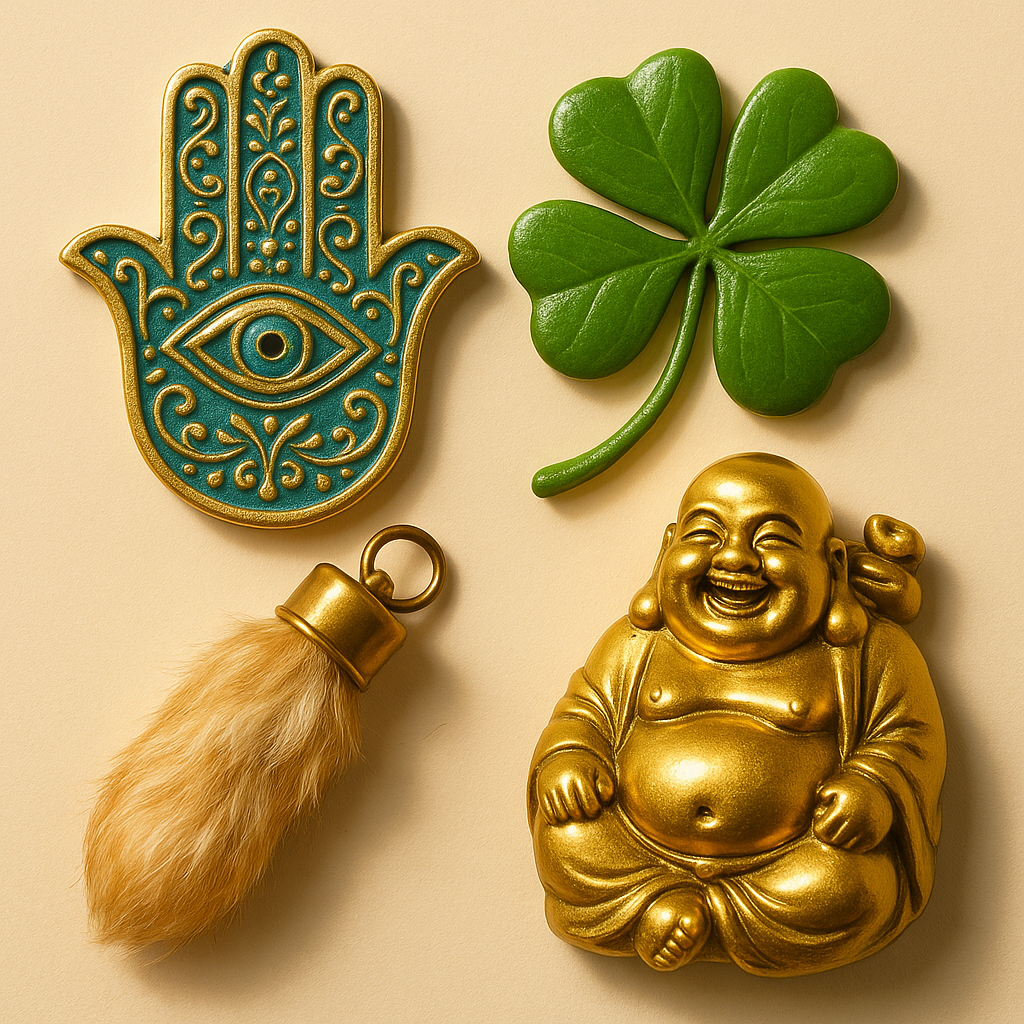
These tangible representations transform ethereal concepts into something we can hold, wear, or display, discover the world of Do.Dreamss where we honor this tradition by crafting meaningful accessories that connect you to protection and possibility.
What makes these symbols endure isn't blind superstition but their psychological function—they serve as touchstones for optimism, reminders of possibility, and anchors for intention. Whether worn as jewelry, displayed in homes, or carried in pockets, lucky charms provide emotional comfort and mental focus across diverse cultures and eras.
Psychology and science—is luck real or mindset?
The scientific community has extensively studied luck beliefs, revealing fascinating insights about how our mindset shapes our experiences.
Psychologists distinguish between two fundamental orientations toward control. Those with an internal locus of control believe their actions primarily determine outcomes, while those with an external locus attribute results more to outside forces like luck or fate. Research consistently shows that an internal locus correlates with greater achievement, resilience, and satisfaction—yet most healthy individuals maintain a balanced view, recognizing both personal agency and external factors.
Self-efficacy—our belief in our ability to succeed—interacts with luck beliefs in complex ways. High self-efficacy individuals often interpret "lucky breaks" as opportunities they were prepared to recognize and utilize. This perspective transforms luck from passive fortune to active engagement with possibility.
Psychologist Richard Wiseman's decade-long research into "luck perception" found that self-described "lucky" people shared key characteristics: they remained open to new experiences, trusted their intuition, maintained positive expectations, and demonstrated resilience in the face of adversity. His work suggests that "luck" may be less about random chance and more about mindset and behavior patterns that increase exposure to positive opportunities.
The Belief in Good Luck Scale developed by researchers demonstrates that moderate luck beliefs can enhance performance on certain tasks by reducing anxiety and increasing confidence. Rather than seeing luck as superstition, science increasingly recognizes it as a psychological framework that can positively influence motivation, risk assessment, and opportunity recognition.
These findings suggest something profound: luck might be less about external magic and more about internal perspective—a mindset that recognizes possibility, remains open to unexpected opportunities, and maintains optimism even through challenges. For those seeking to chic accessories and thoughtful gift ideas that embody this positive orientation, our curated collections offer meaningful touchstones for daily inspiration.
The dual edge of luck—empowerment vs. limitation
Belief in luck carries both potential benefits and pitfalls, depending on how we frame and apply it in our lives. Understanding this duality is essential to harness its positive aspects while avoiding its limitations.
On the empowering side, luck beliefs can foster optimism and resilience. When we maintain what psychologists call "positive illusions"—slightly optimistic views about our prospects—we're more likely to persevere through challenges, take calculated risks, and maintain emotional wellbeing. Studies show that believing in our "lucky stars" can reduce anxiety before stressful events, providing psychological comfort that enhances performance.
Fortune favors not just the bold but the prepared. Consider Mark, a business executive who attributes his success to "being in the right place at the right time." Deeper examination reveals that Mark consistently positioned himself to encounter opportunities through networking, continuous learning, and saying yes to novel experiences. His "luck" was partially self-created through behaviors that maximized his exposure to positive possibilities.
However, luck belief becomes limiting when it crosses into fatalism—the resignation that outcomes are predetermined and beyond our influence. This passive orientation can lead to reduced effort, missed opportunities, and failure to learn from experiences. When we attribute failure solely to "bad luck," we lose valuable opportunities for growth and adjustment.
The key distinction lies in whether luck serves as complement or substitute for personal agency. Adaptive luck beliefs acknowledge fortune's role without diminishing personal responsibility. They inspire gratitude for favorable circumstances while maintaining ownership of how we respond to both opportunities and challenges.
How our brand transforms luck into living philosophy
At Do.Dreamss, we view luck not as passive fortune but as active possibility. Our philosophy transforms ancient wisdom about luck into modern tools for inspired living. Through stylish and protective cases and thoughtfully designed accessories, we create daily touchpoints that remind you to remain open to serendipity while actively pursuing your aspirations.
Each product embodies this balanced perspective—honoring both the mystery of chance and the power of intention.
They serve not as magical talismans but as physical reminders of your capacity to recognize and seize opportunities, to find meaning in challenge, and to maintain optimism through life's inevitable uncertainties.
How to invite more luck—practical mindfulness and brand rituals
Cultivating a "lucky mindset" involves specific practices that enhance your receptivity to opportunities and resilience through challenges. These evidence-based approaches transform abstract luck concepts into practical daily habits.
Mindfulness forms the foundation of luck-enhancing practices. By training your attention to remain in the present moment, you become more likely to notice unexpected opportunities that others might miss. Research shows that mindfulness reduces the "tunnel vision" effect of stress and anxiety, expanding your awareness of possibilities in your environment.
Optimism training—deliberately practicing positive expectation—creates what psychologists call the "Pygmalion effect," where positive expectations increase the likelihood of positive outcomes. This isn't magical thinking but a well-documented psychological phenomenon where outlook influences both perception and behavior.
Consider these practical approaches to cultivate your own luck:
- establish a morning ritual that sets positive intention for the day
- practice gratitude journaling to increase awareness of fortunate circumstances
- deliberately expand your comfort zone by trying one new thing weekly
- reframe setbacks as temporary and specific rather than permanent and pervasive
- create physical reminders of possibility through meaningful objects
This last practice particularly resonates with our brand philosophy. Physical objects can serve as powerful anchors for intention and mindset. When you choose an accessory or item that symbolizes possibility, protection, or aspiration, you create a tangible reminder of your values and goals.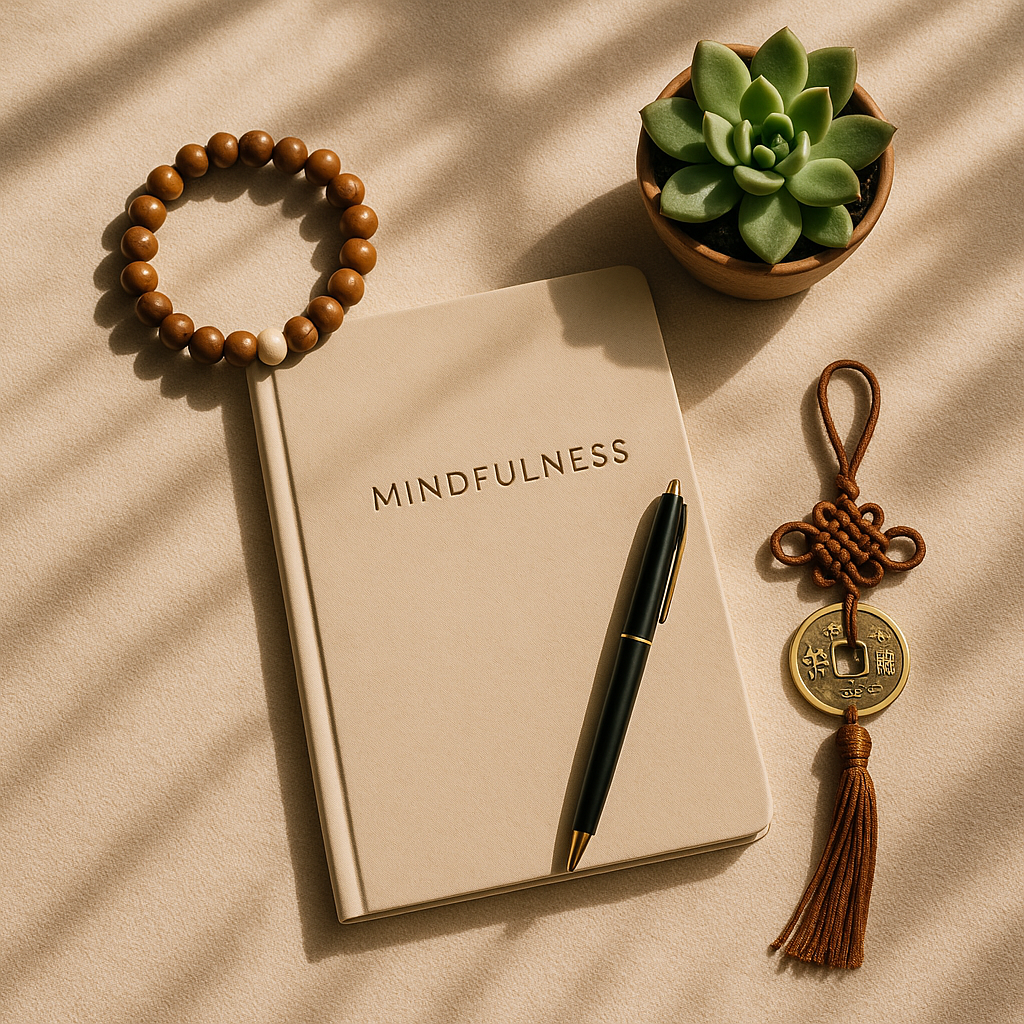
Each time you see or touch this object, it reinforces your commitment to remaining open, optimistic, and engaged.
One simple ritual involves selecting a meaningful item—perhaps one of our thoughtfully designed accessories—and establishing a brief moment of intention each time you use it. This transforms everyday objects into mindfulness triggers that repeatedly reconnect you to your deepest aspirations throughout your day. For further inspiration on integrating intentional objects into your lifestyle, explore your go-to blog for chic accessories and everything stylish.
Remember that cultivating luck isn't about magical thinking but about creating the mental conditions that maximize your ability to recognize and act on opportunities. By combining mindfulness practices with meaningful physical reminders, you create a powerful system for maintaining the optimistic, open, and resilient mindset that characterizes "lucky" individuals.
Conclusion
Luck occupies a fascinating middle ground between randomness and control—a concept that speaks to both the mystery of existence and our deep desire for agency. At Do.Dreamss, we've built our brand philosophy around this nuanced understanding of fortune not as mere chance but as the intersection of preparation and opportunity.
The science is clear: those who maintain positive expectations while taking concrete action create their own favorable conditions. They remain alert to possibilities others might miss, resilient through inevitable setbacks, and grateful for the fortunate circumstances they encounter. This balanced perspective acknowledges both the role of chance and the power of intention.
Our accessories and products embody this philosophy, serving not as magical talismans but as physical reminders of possibility. They anchor your intentions, reinforce your aspirations, and connect you to the timeless human tradition of finding meaning in the mysterious interplay of effort and circumstance.
We invite you to incorporate these insights into your daily life—to cultivate the mindset that recognizes opportunity, to establish rituals that reinforce optimism, and to surround yourself with meaningful objects that remind you of your capacity to co-create your future.
In doing so, you transform luck from superstition into strategy, from passive hoping into active creation of the conditions where dreams flourish.
Frequently asked questions
What does it mean to believe in luck?
Belief in luck is the tendency to attribute positive or negative outcomes to chance or fortune rather than purely to control or effort. It's both a psychological and cultural phenomenon.
Can you actually create your own luck?
Research suggests that those who believe in luck, maintain optimism, and stay open to new experiences are more likely to notice and seize opportunities, effectively "creating their own luck."
How can I bring more luck into my life?
Practicing mindfulness, cultivating a positive mindset, and embracing meaningful rituals or objects can help you remain open to possibility and act on opportunities.
Is believing in luck the same as being superstitious?
While related, belief in luck can be rational or symbolic; superstition involves ritualistic behaviors. A healthy belief in luck supports hope and action, not passivity.
How does your brand incorporate the philosophy of luck?
Our brand transforms belief in luck into intentional living by crafting accessories and lifestyle goods that serve as daily reminders to pursue dreams, embrace possibility, and actively shape your path.