
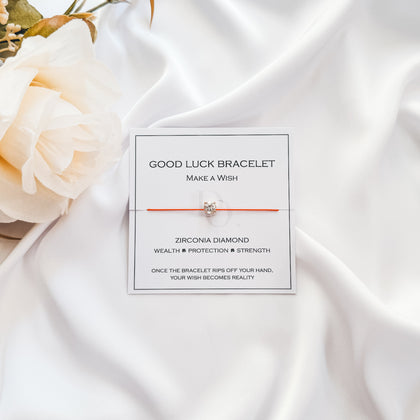
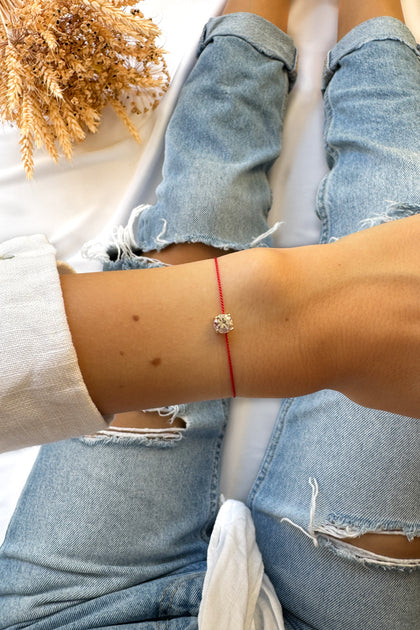
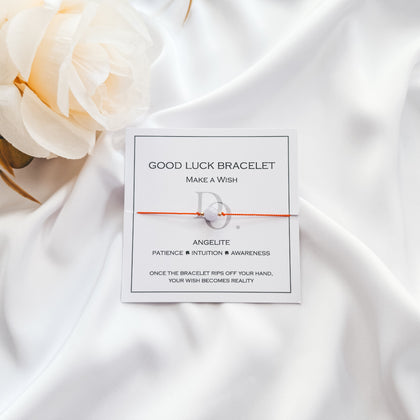
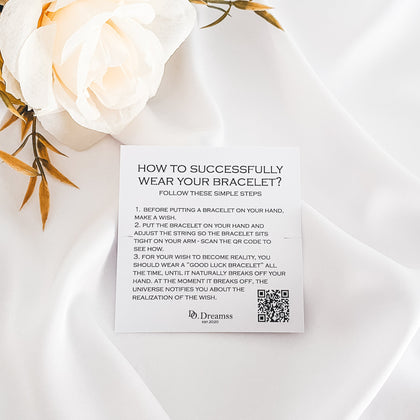


The Lucky Edit by Do.Dreamss
Does a Red String Bracelet Really Attract Wealth and Good Luck?
Can an ancient red string bracelet really help you find wealth or good luck? All around the world, people wear these simple threads hoping for protection and brighter fortune. From Jewish Kabbalah to Hindu and Buddhist traditions, the red string bracelet promises powerful beliefs—but not everyone agrees on how, or even if, it works.
If you’ve ever wondered if tying one to your wrist can truly change your luck, you’re not alone. Millions are drawn to its mystery, searching for answers and a new edge in life. But the truth is, there’s no scientific proof that a red string bracelet brings riches or luck all by itself according to expert sources. It’s not magic—yet, for some, it feels special enough to boost confidence and focus, and that can matter in daily decisions.
Feeling frustrated with empty promises or just curious about what’s real and what’s ritual? You’re in the right place. In this article, you'll learn where red string bracelets come from, how different cultures use them, what psychology and belief can actually change, and how to wear one with meaning and respect. You’ll also find honest tips if you’re thinking of adding this tradition to your own life. Let’s separate fact from folklore and get real about what this small symbol can offer you.
1. Understanding the Origins: A Global Thread of Meaning
Wearing a red string bracelet isn’t new. This accessory has roots in Jewish Kabbalah, Hindu faiths, Chinese legends, and Buddhist rituals. Each tradition attaches its own powerful meaning to the simple red thread. In Jewish culture, it’s believed to guard against negative energy. In Hinduism, it’s linked to blessings and protection, while the Chinese “red thread of fate” holds the promise of connection and destiny. It’s fascinating how a single piece of string weaves through so many cultures, each with its unique reason for use. For a deeper look at these roots, you might find this overview of the red string across cultures helpful. You may also be interested in learning about our history and meaning behind protection jewelry for a broader perspective on symbolic accessories.
| Tradition | Purpose | Wrist Placement |
|---|---|---|
| Kabbalah | Protection, warding off evil | Left wrist |
| Hinduism | Blessings, rituals | Right wrist (men), left wrist (women) |
| Chinese | Fate, hidden connection | Varies |
| Buddhism | Good fortune, mindfulness | Varies |
2. Symbolism Over Science: What Can a Bracelet Really Do?
Let’s get clear: there’s no scientific proof that a red string bracelet brings wealth or luck on its own. Still, millions reach for it year after year. Why? It’s the symbolism, not science, that gives these bracelets staying power. They represent hopes, dreams, and sometimes a little comfort in tough times. Science actually tells us that belief in a talisman—like a lucky red string—can influence how someone feels and acts, which can change their outcomes. But the “magic” is in the mindset, not the bracelet itself. For more, check out this expert take on red string bracelets.
3. The Psychology of Rituals: Mindset Shifts Start Small
Here at Do.Dreamss, many people have told us they feel more positive when wearing a red string bracelet. That’s not a coincidence. Objects with special meaning can boost confidence and lower anxiety. Psychologists call this a self-fulfilling effect: believe you’re luckier, and you act in ways that might actually improve your day. If you tie on a bracelet while thinking about your goals or dreams, you might find it helps you stay focused or brave enough to take small risks.
Some possible benefits:
- Calm nerves before a big event
- Encourage daily goal-setting
- Remind you to notice the positives
4. Steps and Rituals: The Tradition Behind the Tie
The red string bracelet isn’t just tied on without thought. Each type of ritual has its own steps and purpose, which can make the process more meaningful. For example, in Kabbalah, people often tie the bracelet with seven knots on the left wrist while saying a blessing or prayer. Hindu ceremonies use the string in puja rituals, sometimes on the right or left wrist. Personal intention plays a big part. Many find extra comfort by:
- Having a trusted friend or elder tie the bracelet
- Saying a wish or affirmation during the process
- Using a simple prayer or blessing before wearing
By choosing the wording or the method that means the most to you, you make the red string bracelet a part of your story. For step-by-step examples, check this guide to red string bracelet rituals. For additional inspiration, see our advice on how to create your own meaningful jewelry ritual to personalize your experience.
5. The Personal Choice: Is a Red String Bracelet Right for You?
Finally, let’s get practical. Wearing a red string bracelet is a personal decision, and what matters most is your intention. Many people use them for different reasons, such as connecting with heritage, adding meaning to their routines, or simply liking the look. But real change comes from your own actions: the bracelet can be a gentle reminder, but it’s your choices, not a thread, that bring opportunities into your life.
If you decide to wear one, here’s what we recommend:
- Reflect on your reasons—Is it for style, hope, or tradition?
- Learn about the culture and origins to wear your bracelet respectfully
- Use your bracelet as part of your daily self-care, not as a replacement for real effort
In short, a red string bracelet can be a symbol, a motivator, and a special part of your daily routine—but it’s not a shortcut to wealth or luck. The power is in what you do next.
Frequently Asked Questions
How does a red string bracelet “work” to bring good luck or wealth?
A red string bracelet doesn’t have magical powers. Many people believe it works because of the meaning they give it. When you wear it with hope or a positive goal, you might feel more focused and confident. This mindset can shape your choices and actions, which is what may help you spot more opportunities or handle challenges with a positive attitude.
Why do people tie red string on specific wrists?
The “right” wrist depends on tradition. In Kabbalah, it’s the left wrist because it’s thought to be closer to the heart and spiritual entry points. In Hindu culture, men often wear it on the right, and women on the left. The wrist doesn’t change the effect, but following the tradition can add personal or cultural meaning to the ritual.
What should I say or think about when tying a red string bracelet?
You don’t need a perfect script. Some people say a prayer, a wish, or a blessing as they tie the bracelet. Others simply focus on their goals or wishes for the future. It’s about your own positive intention, not specific words. Make it personal so the bracelet reminds you of what matters most.
When is the best time to wear or replace a red string bracelet?
There are no strict rules. You can start wearing it whenever it feels right for you, like at the start of a new year, a big project, or when you need encouragement. Some people replace it when the old one falls off or gets worn out, seeing this as a sign that their wish or goal has been set in motion.
What if my red string bracelet falls off?
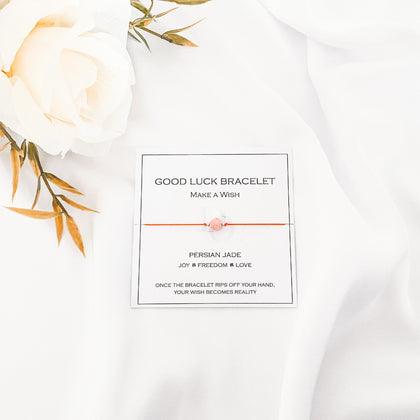
Don’t worry—many traditions see this as a good sign. If your bracelet falls off, it may mean your goal or wish has moved forward, or it’s just time for a new one. You can simply tie another one on and set a fresh intention.
Final thoughts
A red string bracelet can be a helpful reminder of your hopes and the actions you want to take. It’s not magic, but it can support a positive attitude and daily focus.
If you choose to wear one, make it meaningful to you. The true power lies in your mindset and the steps you take every day.