
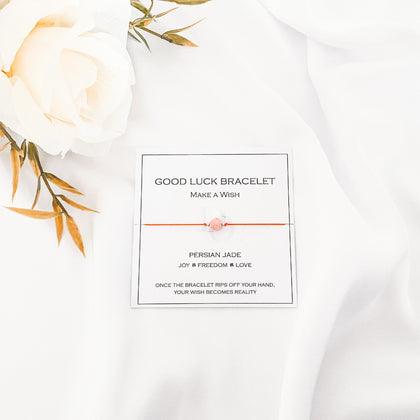
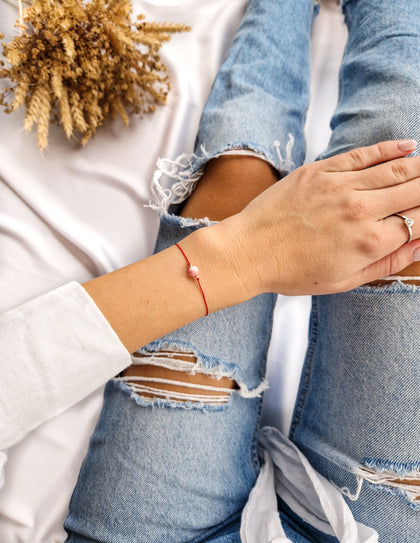


The Lucky Edit by Do.Dreamss
Can Jewelry Offer Emotional Support? Exploring the Connection
In a world where we seek comfort and meaning from our surroundings, even the smallest objects can become powerful anchors for our emotions. Jewelry, worn close to our bodies and often chosen with intention, stands as perhaps one of the most intimate possessions we carry through life. These adornments transcend mere decoration—they become vessels for memories, reminders of strength, and tangible connections to people and moments that matter. Throughout human history, across diverse cultures and civilizations, accessories have served purposes far beyond aesthetics, offering protection, signifying status, and providing emotional reassurance during challenging times.
Personal ornaments uniquely bridge the physical and emotional realms, creating a special intersection where touch, sight, and sentiment converge. Whether it's a wedding band symbolizing enduring love, a pendant passed through generations, or a new acquisition chosen during a transformative period, these pieces can function as daily companions in our emotional journeys. This exploration will examine how adornments function as sources of comfort, identity markers, and healing tools, while also providing practical insights on how to select, gift, and incorporate meaningful trinkets into daily rituals for enhanced emotional wellbeing and personal transformation. Discover how these wearable treasures can offer lucky charms and protective elements through luck and protection jewelry that speaks to both style and deeper emotional needs.
The psychology behind jewelry's emotional impact
The profound emotional weight carried by personal adornments extends far beyond their precious metals or gemstones. This connection has deep psychological roots that explain why these accessories often become irreplaceable elements in our emotional toolkit. When we touch a familiar ring or necklace during moments of stress, our brains engage in what psychologists call tactile grounding—a sensory experience that can interrupt anxiety cycles and return us to the present moment.
Symbolism in jewelry serves another powerful psychological function through a process known as symbolic self-completion. According to psychologists, when we wear pieces that represent aspects of our identity or aspirations, these items help externalize and reinforce who we are or who we aim to become. A graduation gift becomes more than metal and stone—it transforms into a physical reminder of accomplishment that bolsters confidence when worn.
These personal treasures also function as memory anchors, creating cognitive associations that trigger specific emotional states. A pendant received during recovery from illness might evoke feelings of resilience whenever it's worn. This phenomenon explains why jewelry for anxiety has gained recognition as a legitimate coping mechanism rather than mere superstition. The physical sensation of touching or wearing a familiar piece creates a sensory bridge to emotions like calm, confidence, or connection.
The concept of wearable affirmation further illustrates how these items support emotional wellbeing. Engraved messages or personally meaningful symbols serve as constant reminders of core values or supportive thoughts. As psychologist Dr. Susan Krauss Whitbourne notes, "Objects that connect us to our sense of self help maintain psychological equilibrium during transitions and challenges." This perspective validates what many instinctively feel—that certain cherished accessories function as emotional armor in difficult moments.
Cultural and ancestral practices have long acknowledged this connection between adornment and emotional state. From protective amulets in ancient civilizations to modern worry beads, humans consistently turn to wearable objects as extensions of their emotional selves. This universal tendency speaks to a fundamental human need to externalize internal experiences, creating tangible reminders of what matters most during life's inevitable changes and challenges.
Forms and functions: types of jewelry for emotional support
The world of emotional healing jewelry encompasses diverse forms, each offering unique support mechanisms for different emotional needs. Understanding these variations helps in selecting pieces that resonate with specific situations or feelings.
Lockets and memory-holding pieces provide perhaps the most direct emotional connection, literally encapsulating memories within their chambers.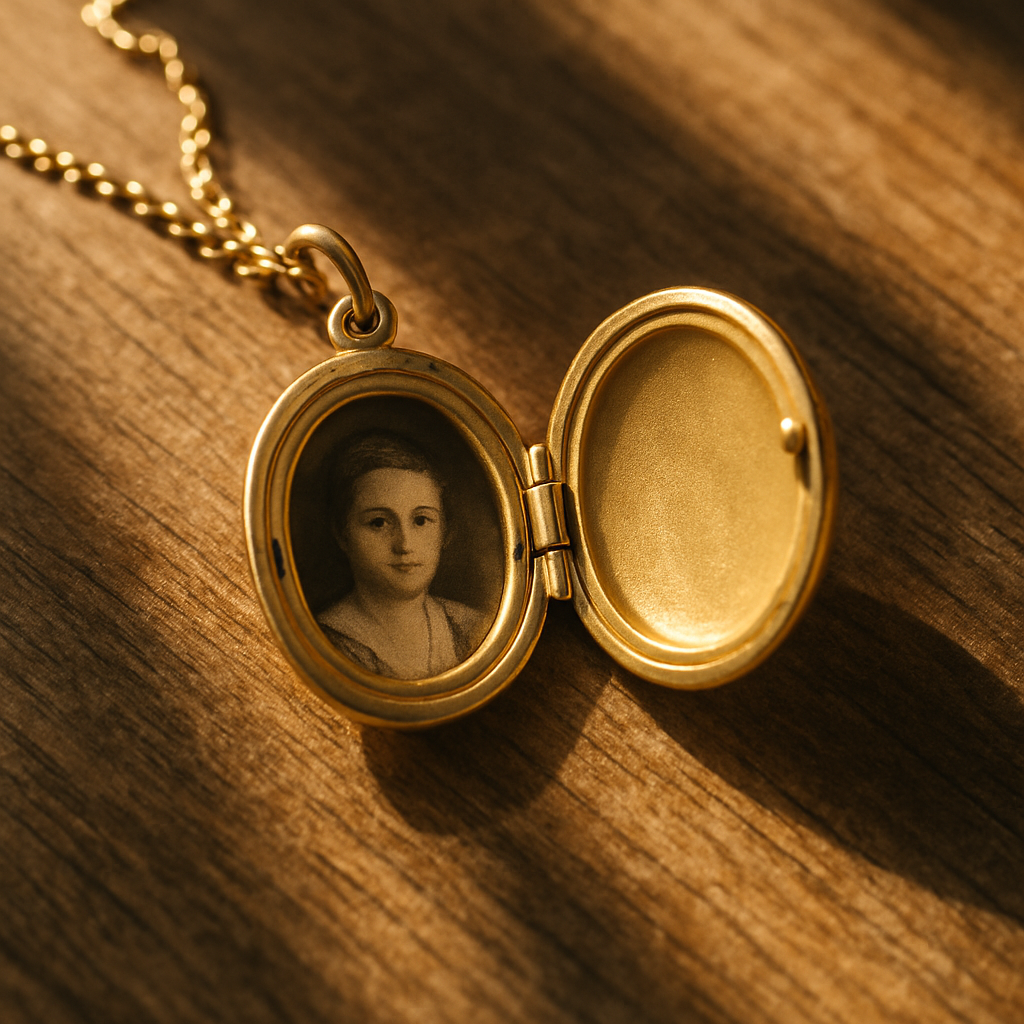
These intimate accessories allow wearers to keep photographs, tiny notes, or even small mementos physically close. For those navigating grief or separation, this tangible proximity offers significant comfort, creating a physical space where emotional bonds remain intact despite physical distance.
Healing gemstones represent another significant category, with specific stones traditionally associated with particular emotional states. Amethyst, long believed to promote calm and clarity, often appears in anxiety-reducing pieces.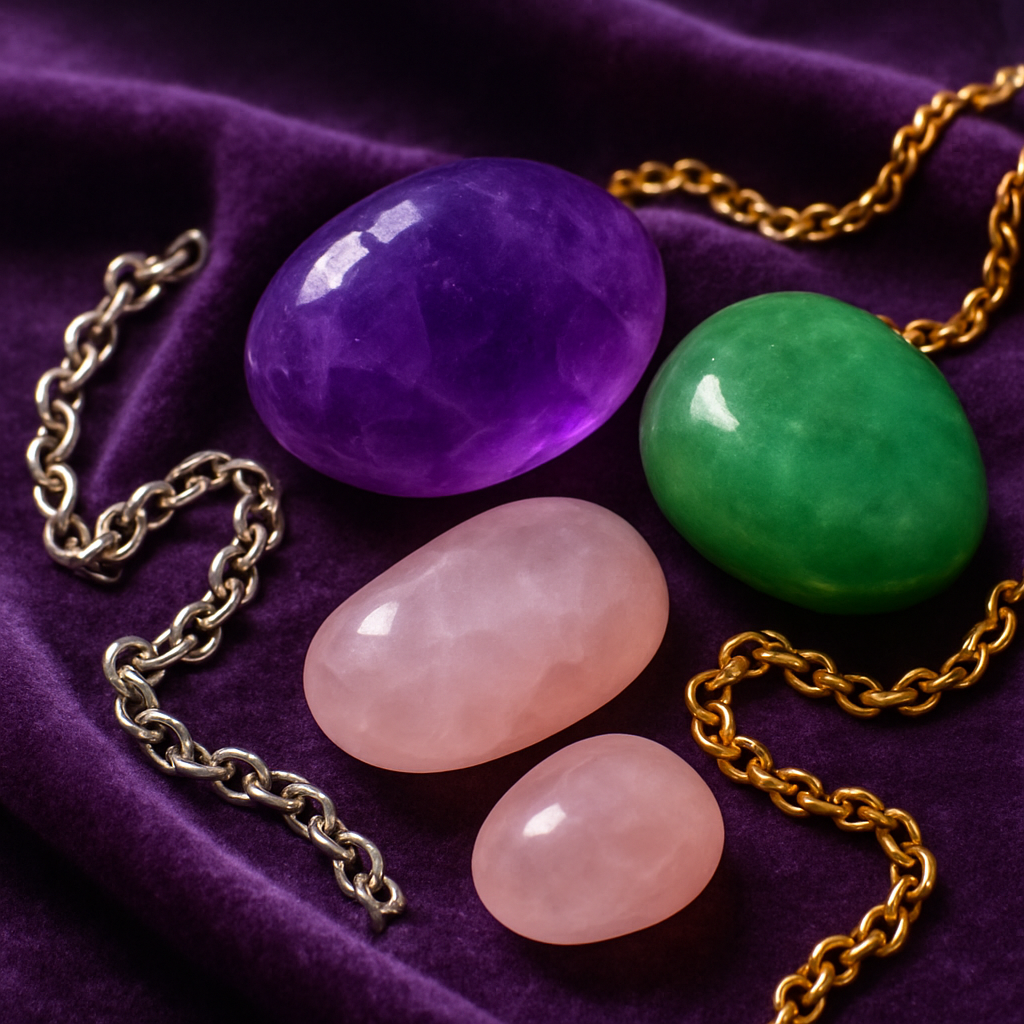
Rose quartz, with its soft pink hue, traditionally symbolizes self-love and healing after heartbreak. While scientific evidence for gemstone healing remains limited, the psychological comfort derived from these associations provides genuine emotional benefits for many wearers.
Personalized and engraved items transform generic accessories into powerful tools for empowerment. Words, dates, coordinates, or symbols meaningful to the wearer create constant reminders of personal strength, important relationships, or significant achievements. These customized elements transform ordinary objects into extraordinary carriers of meaning that reinforce identity during challenging transitions.
Worry stones and tactile pieces offer sensory comfort through their physical properties. Often featuring smooth surfaces designed for rubbing or fidgeting, these items provide a grounding mechanism during moments of anxiety. The repetitive motion of handling these pieces activates the parasympathetic nervous system, potentially reducing stress hormones and creating a self-soothing ritual accessible anywhere.
Symbolic charms and protective amulets draw on ancient traditions while meeting modern emotional needs. Whether featuring religious symbols, cultural motifs, or personal icons, these pieces connect wearers to broader meaning systems that provide context and perspective during difficult experiences. The "evil eye" design, for instance, serves both as fashionable decoration and as a protective symbol against negative energies—a dual function characteristic of many supportive adornments.
How to choose the right piece
Selecting emotionally supportive accessories requires a thoughtful approach that honors personal intuition and individual circumstances. First, consider what emotional need you're addressing—whether seeking calm, courage, connection to others, or commemoration of personal growth. This clarity helps narrow options toward pieces that serve your specific situation.
When evaluating potential selections, pay attention to your immediate emotional response. Does a particular design, stone, or symbol resonate intuitively? This instinctive connection often indicates alignment with deeper emotional needs. Additionally, consider physical characteristics like weight, texture, and wearability—supportive pieces should feel comfortable during regular wear.
Materials and origins matter significantly for items intended to provide emotional comfort. Ethically sourced materials align with values of mindfulness and care, while items with authentic cultural significance should be approached with appropriate respect and knowledge. Personal ornaments carrying negative associations or acquired during difficult periods may carry emotional residue that contradicts their supportive purpose.
For milestone commemoration or transition marking, consider personalization options like engravings, birthstones, or custom designs that capture the specific significance of your experience. These customizations transform generic items into powerful memory vessels that evolve alongside your journey. Browse chic gift ideas and more styles for inspiration on meaningful designs that balance emotional significance with everyday wearability.
How jewelry rituals foster ongoing emotional wellbeing
The deliberate incorporation of meaningful accessories into daily routines creates powerful emotional anchors that extend beyond mere adornment. These intentional practices transform ordinary moments into opportunities for mindfulness, reflection, and emotional regulation.
Morning rituals involving treasured pieces can establish positive emotional foundations for the day ahead. The act of selecting and putting on specific items becomes a moment of intention-setting rather than habitual dressing. When someone deliberately chooses their grandmother's necklace before a challenging day, they're not just accessorizing—they're invoking strength, connection, and resilience.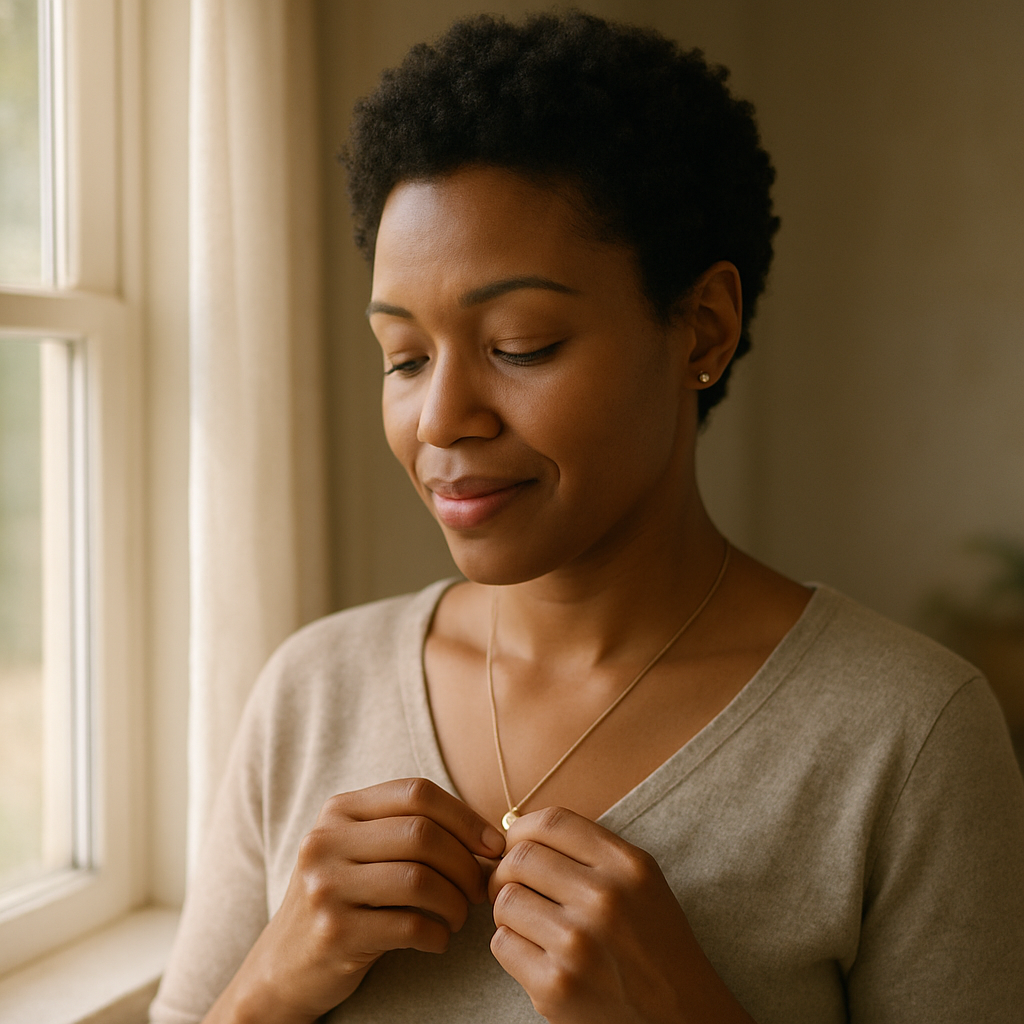
This daily jewelry affirmation practice creates a moment of mindful preparation that influences subsequent experiences.
Touch-based rituals throughout the day provide micro-moments of emotional regulation. A worry stone pendant discreetly rubbed during tense meetings, a meaningful ring twisted during moments of anxiety, or a bracelet adjusted during transitions between activities—these seemingly small gestures activate tactile awareness that can interrupt stress cycles. Neuroscience research suggests that repetitive touch behaviors can trigger parasympathetic nervous system responses, potentially reducing cortisol and creating moments of calm.
Evening removal rituals create natural boundaries between different parts of life while offering moments for reflection. Taking off a piece that symbolizes professional identity might mark the transition from work to personal time. Similarly, removing protective accessories worn during challenging situations can symbolize release of the day's difficulties. These transition moments, when approached mindfully, help compartmentalize experiences and create emotional boundaries.
Sentimental jewelry meaning deepens through consistent association with specific practices or affirmations. A ring initially purchased simply for its beauty might gain significance when consistently worn during meditation or paired with a specific affirmation. This progressive layering of meaning creates emotional resonance that grows over time, transforming ordinary objects into powerful personal symbols.
For those navigating grief, trauma, or major life changes, jewelry rituals offer particularly powerful healing potential. Slipping on an heirloom ring each morning becomes a private ceremony of connection to departed loved ones. Wearing a bracelet acquired during recovery marks continued strength. These physical reminders provide tangible evidence of emotional journeys, acknowledging both struggle and growth. For more on creating meaningful connections between accessories and personal expression, explore colorful jewelry combinations for inspiration.
Gifting jewelry for emotional support: thoughtful ways to uplift others
When someone faces difficult times, finding appropriate ways to show support presents a genuine challenge. Meaningful accessories offer a unique solution—providing tangible comfort that extends beyond the moment of giving. Unlike flowers that fade or food consumed quickly, a thoughtfully selected trinket remains as an enduring reminder of connection and care.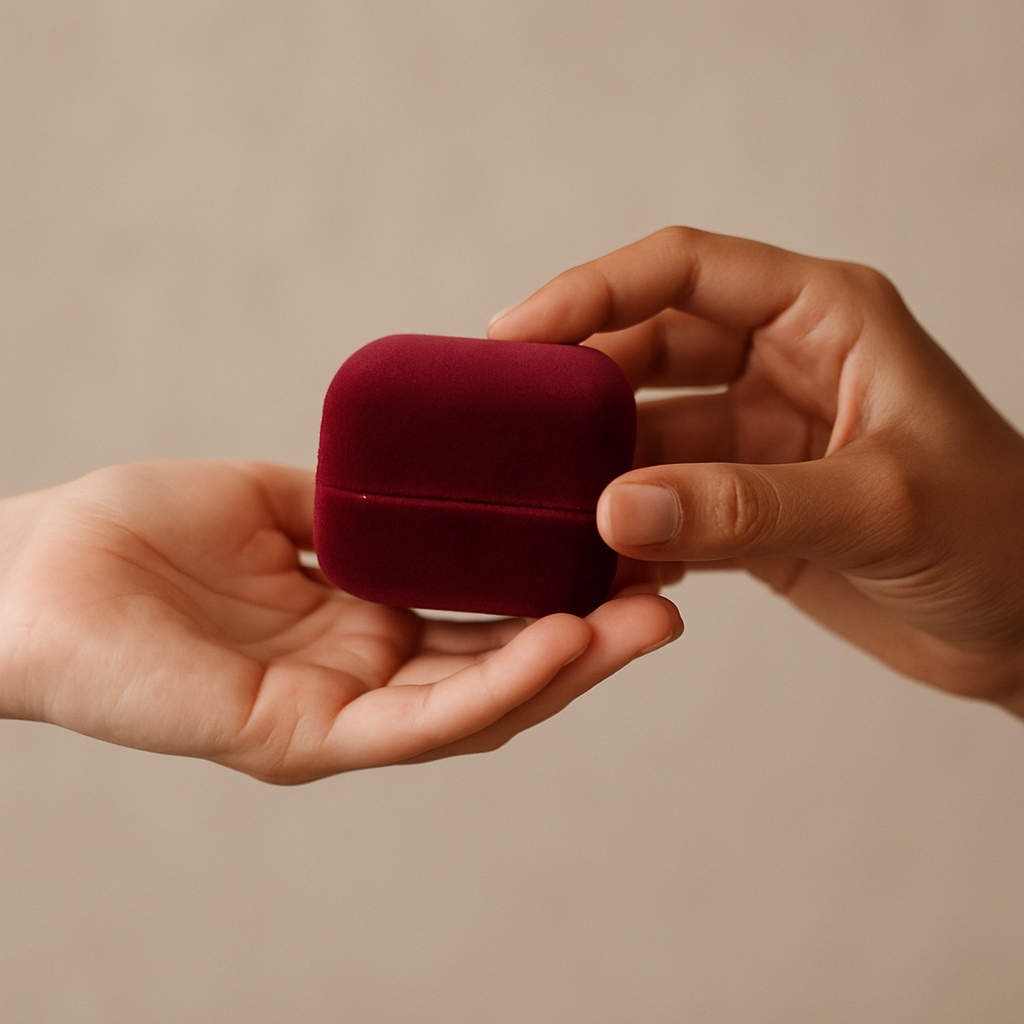
Selecting the perfect jewelry gift for support requires attunement to the recipient's specific situation and preferences. Consider their personal style, metal preferences, and whether they typically wear bold or subtle pieces. More importantly, reflect on their emotional journey—what message or feeling would provide the most meaningful support? This thoughtful consideration transforms a simple present into a profound gesture of understanding and compassion.
Personalization significantly enhances the emotional impact of supportive gifts. Engraved messages, birthstones, or symbols relevant to the recipient's journey transform generic items into deeply personal treasures. A simple pendant becomes extraordinary when inscribed with a meaningful date, encouraging phrase, or symbol that resonates with their specific circumstances. These customized elements demonstrate attentiveness to their unique experience.
Timing and presentation further influence how recipients perceive supportive offerings. Gifts marking significant milestones in healing journeys—like completing treatment, surviving anniversary dates, or taking brave steps forward—acknowledge both struggle and progress. The presentation context matters too; including a heartfelt note explaining the piece's significance creates emotional context that enhances its meaning.
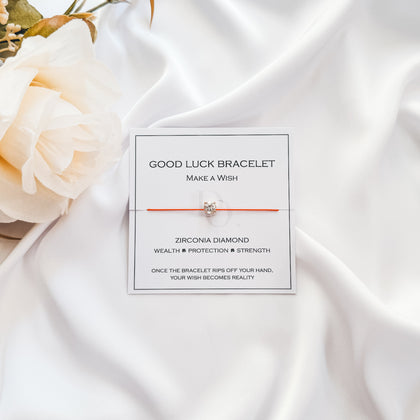
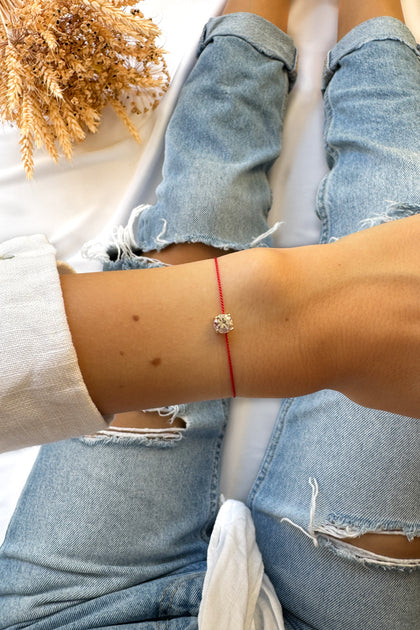
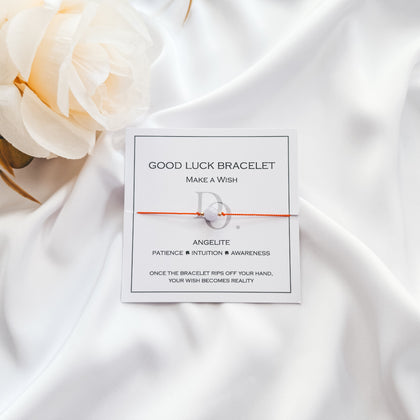
Certain types of accessories naturally lend themselves to supportive giving. Encouragement bracelets featuring inspirational words or phrases provide visible reminders of strength during difficult days. Lockets holding photos create tangible connections to supportive relationships. Pieces incorporating protective symbols offer comfort through cultural or spiritual associations. Each style serves different emotional needs while communicating the fundamental message: "You are not alone."
When selecting jewelry for grief support, particular sensitivity proves essential. Items that subtly commemorate loved ones—like birthstone accessories, constellation configurations marking significant dates, or pieces incorporating elements like handwriting or fingerprints—provide comfort without overwhelming the recipient. These thoughtful choices acknowledge loss while creating beautiful reminders of enduring bonds.
Consider exploring new arrivals and thoughtful gifts to find pieces that balance aesthetic appeal with meaningful symbolism—creating gifts that provide immediate pleasure and lasting emotional support through difficult transitions.
Conclusion
The power of jewelry extends far beyond aesthetic enjoyment or status signaling—reaching into profound realms of emotional support, identity affirmation, and personal healing. These wearable companions accompany us through life's most significant moments, accumulating meaning and memories that transform metal, stone, and design into extensions of our emotional lives. Whether consciously selected for their supportive properties or gradually imbued with significance through experience, meaningful accessories create tangible connections to what matters most.
The psychological mechanisms underlying these connections—from tactile grounding to symbolic representation—validate what many instinctively feel: that certain cherished items genuinely help navigate difficult emotions and challenging transitions. Through intentional selection, mindful wearing practices, and meaningful gifting, these personal adornments become more than decorative objects—they evolve into emotional tools for both everyday resilience and extraordinary circumstances.
As you reflect on your own relationship with accessories, consider how existing pieces might serve emotional needs more intentionally through daily rituals or mindful practices. Perhaps certain items already function as sources of comfort, confidence, or connection without conscious recognition. Alternatively, future acquisitions might specifically address emotional support needs—creating tangible reminders of strength, hope, or important relationships during challenging periods.
Whether self-selected or received as gifts, emotionally supportive jewelry offers a unique intersection of beauty and meaning—proving that sometimes the smallest objects carry the greatest emotional weight. By understanding and intentionally engaging with these powerful connections between adornment and emotion, we access an ancient yet thoroughly modern approach to expressing, processing, and navigating our most profound human experiences.
Stay updated with the latest in chic accessories and thoughtful gift ideas through our blog, where we regularly explore the meaningful connections between style, symbolism, and personal expression.
Frequently Asked Questions
Can jewelry actually help with anxiety or stress?
Yes—many people use familiar jewelry as a grounding object or tactile reminder to stay present during stressful moments.
What kind of jewelry is best for emotional healing?
Meaningful pieces tied to personal milestones, engraved affirmations, or symbolic gemstones (like amethyst for calm) are popular choices.
How do I choose jewelry to support a friend going through a hard time?
Choose something personal: their birthstone, a symbol of hope or strength, or a piece that reflects shared memories or aspirations.
What are some jewelry rituals I can incorporate into my daily routine?
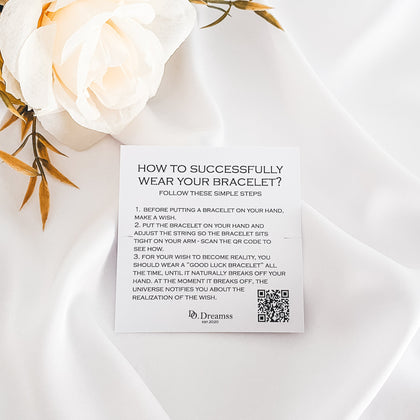
Simple acts like touching a worry pendant, slipping on a grounding ring each morning, or taking a mindful moment while fastening a bracelet can all become nurturing rituals.
Is personalized jewelry more effective for emotional support?
Personalization—whether through engraving or symbolic design—often deepens the emotional connection and meaning a wearer feels from their jewelry.