



The Lucky Edit by Do.Dreamss
How to Repair Handmade Jewelry: DIY Tips and Tricks
How to Repair Handmade Jewelry: DIY Tips and Tricks
Handmade jewelry pieces often hold special meaning and unique charm that mass-produced accessories simply can't match. Whether you've created these treasures yourself or acquired them from artisans, knowing how to maintain and repair them can save money and preserve their sentimental value. From broken clasps to loose stones, many common jewelry issues can be fixed right at home with a bit of patience and the right tools. Handmade jewelry includes beaded pieces, wire-wrapped designs, metalwork, and various other techniques that reflect the artisan's creativity and creative jewelry combinations. In this comprehensive guide, we'll explore practical methods for repairing different types of handmade jewelry, from fixing clasps and chains to restringing bracelets and resetting stones.
Essential tools and safety for DIY jewelry repair
Before diving into jewelry repair projects, assembling the right toolkit is crucial for success. Having proper equipment not only makes repairs easier but also helps prevent further damage to your precious pieces.
The essential tools every home jewelry repair enthusiast should consider include: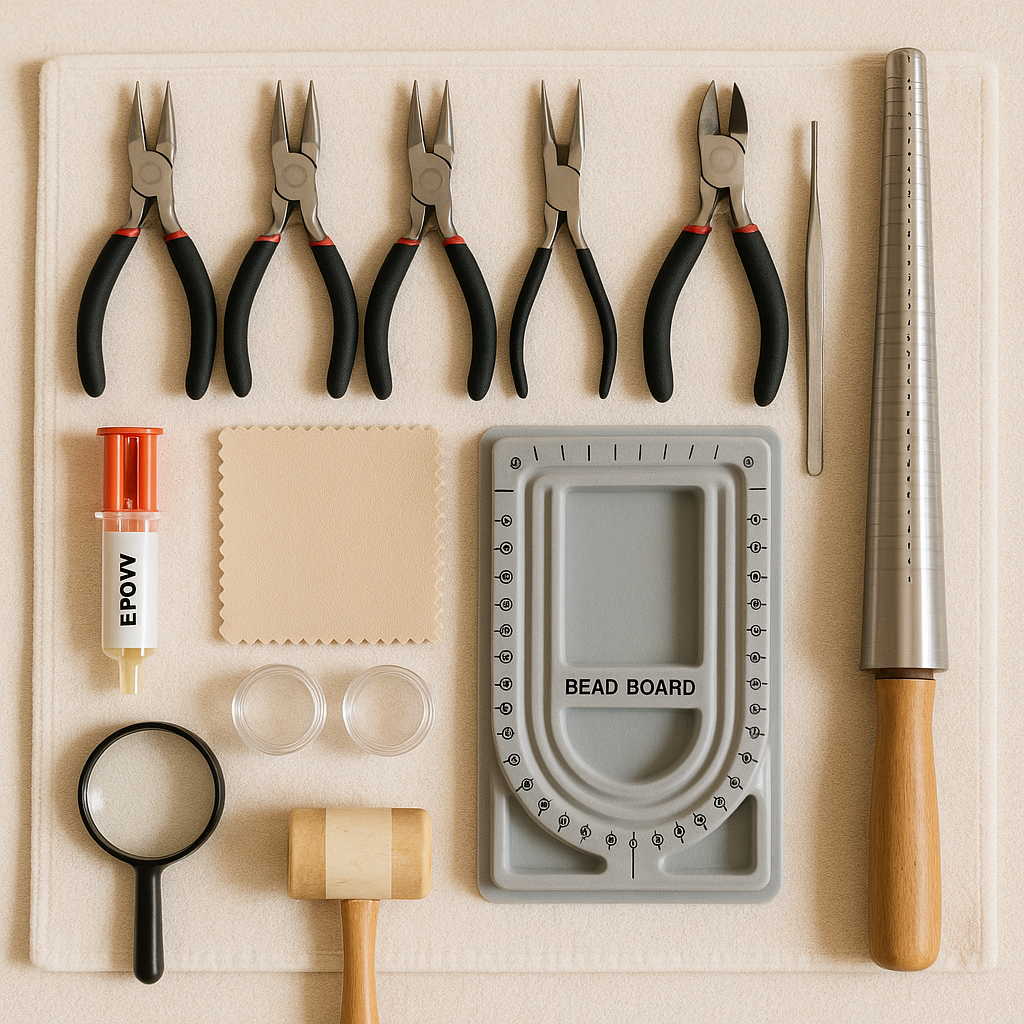
- Jewelry pliers set (round-nose, chain-nose, and flat-nose pliers)
- Wire cutters or side cutters
- Tweezers (preferably with fine tips)
- Jewelry adhesives (two-part epoxy and E6000)
- Polishing cloth
- Ring mandrel (for reshaping rings)
- Bead board or bead mat
- Small containers for organizing parts
- Magnifying glass or jeweler's loupe
- Rawhide or nylon mallet
When working on DIY jewelry repair, safety should always be your priority. Always work in a well-lit area, preferably with a desk lamp that provides direct illumination. Use eye protection when cutting wire or working with small parts that might fly off. Keep adhesives away from your skin and work in a well-ventilated space when using chemical cleaners or glues.
Expert tip: Place a light-colored towel or cloth on your workspace to prevent small beads or findings from rolling away and to provide contrast for better visibility.
While many repairs are suitable for DIY enthusiasts, recognize your limits. Valuable heirlooms, pieces with complicated settings, or jewelry made from precious metals often warrant professional attention. When in doubt, consult with a professional jeweler rather than risking further damage to beloved items.
Looking to get started with the basics? Discover essential jewelry care tools in our specialized collection of beginner-friendly repair kits.
How to fix common jewelry breakages at home
Many jewelry repairs are perfectly suitable for home fixing, especially with handmade pieces where components are often assembled with basic techniques. Let's explore the most common issues and their solutions, from simple fixes perfect for beginners to more challenging repairs that require a bit more practice.
Replacing or repairing broken clasps and chains
Broken clasps and chains are among the most frequent jewelry issues, but fortunately, they're relatively straightforward to fix:
- Identify your clasp type (lobster claw, toggle, spring ring, etc.)
- Using chain-nose pliers, carefully open the jump rings connecting the clasp by twisting them sideways (never pull them apart)
- Remove the damaged clasp
- Attach the new clasp using jump rings, ensuring you close them completely by twisting back into position
For broken chains:
- Locate the broken link
- If possible, open the link with pliers and remove it
- Reconnect the chain using a new jump ring
- For multiple broken links, you may need to shorten the chain slightly
Pro tip: Always open and close jump rings with a sideways motion rather than pulling them apart. This maintains their circular shape and ensures stronger closure.
Restoring elastic bracelets
Stretched or broken elastic bracelets are common issues but easy to fix:
- Place a towel on your workspace to prevent beads from rolling away
- Carefully cut the old elastic and collect all beads in order (using a bead board helps maintain the pattern)
- Take a photo of the layout before disturbing it
- Cut a new piece of elastic cord about 2-3 inches longer than needed
- Thread beads in the original pattern
- Tie a surgeon's knot (a double overhand knot) when all beads are strung
- Add a tiny dab of jewelry glue to the knot for security
- Once dry, trim excess elastic and hide the knot inside a bead
Material tip: Choose elastic cord appropriate for the weight of your beads. Heavier beads require thicker elastic (0.7-1mm), while lighter beads work well with thinner cord (0.5mm).
Fixing misshapen or bent rings
Simple metal bands that have become misshapen can often be restored at home:
- Examine the ring to ensure there are no stones or settings that could be damaged
- Place the ring on a ring mandrel at the appropriate size marking
- Gently tap around the circumference using a rawhide or nylon mallet
- Rotate the ring as you work until the shape is restored
- For minor scratches, use a polishing cloth to restore shine
Important: This technique works best for simple bands. Rings with stones or complex settings should be taken to a professional to avoid loosening stones or damaging prongs.
Replacing earwires and earring findings
Updating or repairing earring components is one of the easiest jewelry fixes:
- Hold the earring body firmly with one pair of pliers
- Grasp the old earwire with another pair and gently twist to open the connecting loop
- Remove the damaged earwire
- Open the loop on your new earwire using the same twisting motion
- Attach it to the earring body
- Close the loop securely
Style tip: When replacing findings, consider upgrading to hypoallergenic materials like sterling silver or niobium if you have sensitive ears. Always try to match the metal color to the rest of the piece for a cohesive look.
Attaching or re-setting loose or missing stones
Loose stones in bezel or glue-in settings can often be fixed at home:
- Clean both the stone and setting with alcohol to remove residue
- Apply a small amount of jewelry-specific epoxy or E6000 adhesive to the setting
- Place the stone carefully into position using tweezers
- Wipe away any excess adhesive immediately with a toothpick
- Allow to cure completely according to the adhesive instructions (usually 24 hours)
Important limitation: Prong settings require specialized tools and expertise to repair properly. If your stone is held by prongs, particularly in valuable jewelry, seek jewelry care and repair advice from a professional jeweler.
Cleaning, polishing, and maintaining handmade jewelry
Regular maintenance is just as important as knowing how to repair your handmade jewelry. Proper cleaning extends the life of your pieces and helps you avoid more complicated repairs down the road.
Restoring shine and preventing future damage
Different materials require different cleaning approaches:
For metal components:
- Silver: Use a silver polishing cloth to remove tarnish. For heavy tarnish, commercial silver dips can work wonders, but use sparingly.
- Gold: Mild soap and warm water with a soft brush, followed by thorough rinsing and drying with a soft cloth.
- Base metals: Gentle soap and water cleaning, followed by thorough drying to prevent oxidation.
For beads and stones:
- Gemstones: Most can be cleaned with mild soap and water using a soft brush, then rinsed and dried thoroughly.
- Pearls: Wipe with a slightly damp, soft cloth only. Never submerge or use chemicals.
- Porous beads (wood, clay): Wipe gently with a barely damp cloth and dry immediately.
To keep your jewelry in top condition:
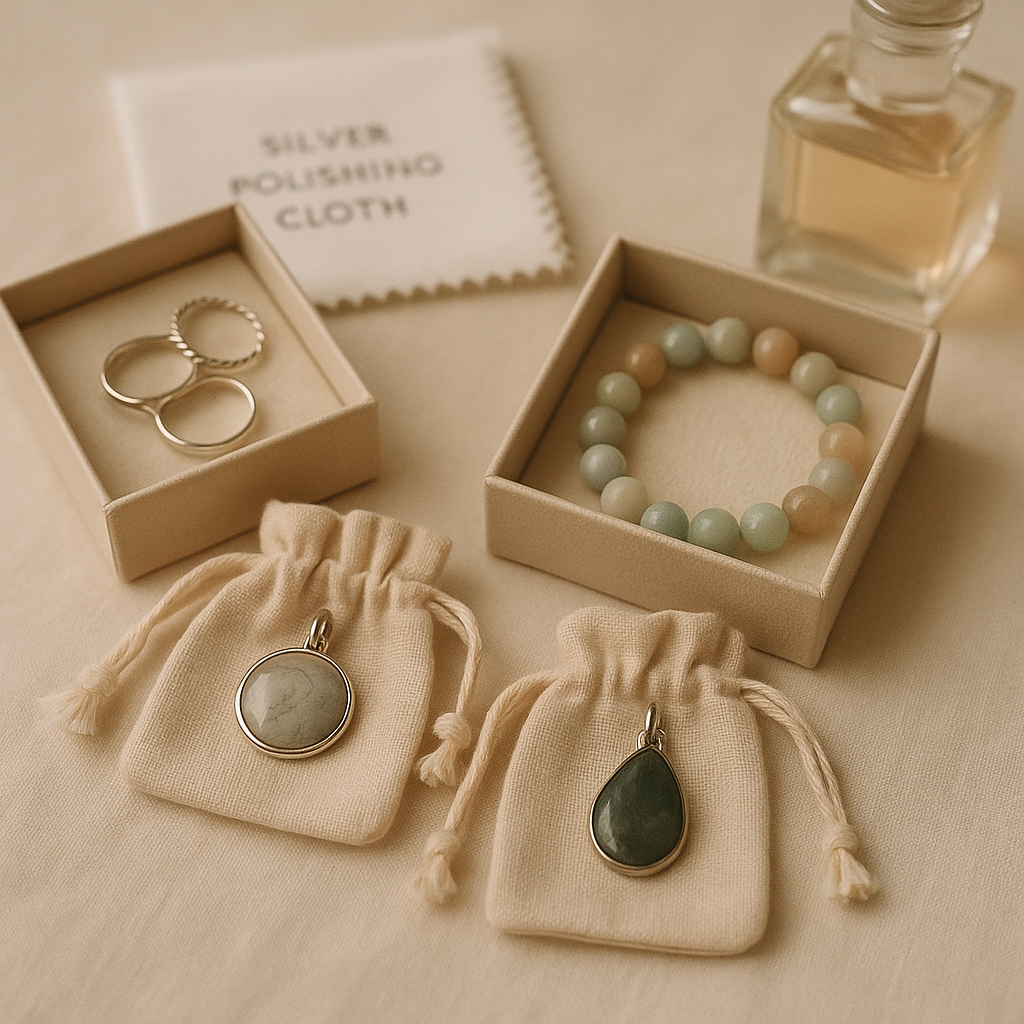
- Store pieces separately to prevent tangling and scratching
- Keep jewelry away from chemicals, including perfume and hairspray
- Remove jewelry before swimming, bathing, or exercising
- Clean regularly with appropriate methods for each material
- Check settings and clasps periodically for early signs of wear
A preventative approach to jewelry care means fewer repairs in the long run. Keep your collection pristine with our selection of shop effective jewelry cleaners designed specifically for handmade pieces.
Conclusion
With the right tools, techniques, and a bit of patience, many common handmade jewelry repairs are well within reach of the DIY enthusiast. Not only does handling these fixes yourself save money, but it also provides the satisfaction of extending the life of your cherished accessories. Start with simple repairs like replacing clasps or restringing elastic bracelets before tackling more challenging tasks. Remember that some repairs, particularly those involving valuable pieces or complex stone settings, are best left to professionals.
Regular maintenance is just as important as knowing repair techniques. By properly storing, cleaning, and handling your jewelry, you'll minimize the need for fixes in the first place. Each successful repair builds your confidence and skill level, allowing you to tackle increasingly complex projects over time.
Whether your handmade jewelry collection consists of personal creations, artisan-made treasures, or family heirlooms, these DIY repair skills will help ensure your pieces remain beautiful and functional for years to come. With practice, you may even find that jewelry repair becomes an enjoyable extension of your appreciation for handcrafted accessories.
FAQ
What are the safest DIY repairs for handmade jewelry?
The safest repairs to attempt at home include replacing broken clasps, restringing elastic bracelets, and cleaning/polishing. Prong repair, precious metal soldering, or complex stone settings are best left to professionals.
How can I tell if I should repair jewelry myself or take it to a jeweler?
If the piece is valuable, sentimental, or involves intricate settings, consult a professional. Simple repairs like replacing a clasp, earring hook, or restringing can be safe for beginners with the right tools.
What glue works best for jewelry repair?
Use epoxy adhesives designed for jewelry (such as 5-minute epoxy or specialty craft glues) for attachments like cabochon stones. Avoid superglues on fine metals as they may be brittle or damage finishes.
How do I keep my handmade jewelry from tarnishing?
Regularly clean pieces, store them in dry, airtight boxes or bags, and use polishing cloths to restore shine and remove tarnish.
Can I use household tools for jewelry repairs?
Some simple repairs can be done with small pliers and scissors, but specialized jewelry pliers and mandrels provide safer, more reliable results.