


The Lucky Edit by Do.Dreamss
How to Accessorize Like a Minimalist: Simple Yet Meaningful Jewelry
How to Accessorize Like a Minimalist: Simple Yet Meaningful Jewelry
In a world of constant consumption and endless trends, minimalist accessorizing offers a refreshing approach to personal style. It's not about having less for the sake of deprivation—it's about curating pieces that truly matter, that speak to who you are and enhance your everyday life. Minimalist jewelry isn't just visually simple; it's intentional, thoughtful, and often tells a story that mass-produced accessories simply cannot.
The beauty of minimalist accessorizing lies in its ability to elevate even the most basic outfit with just a few carefully selected pieces.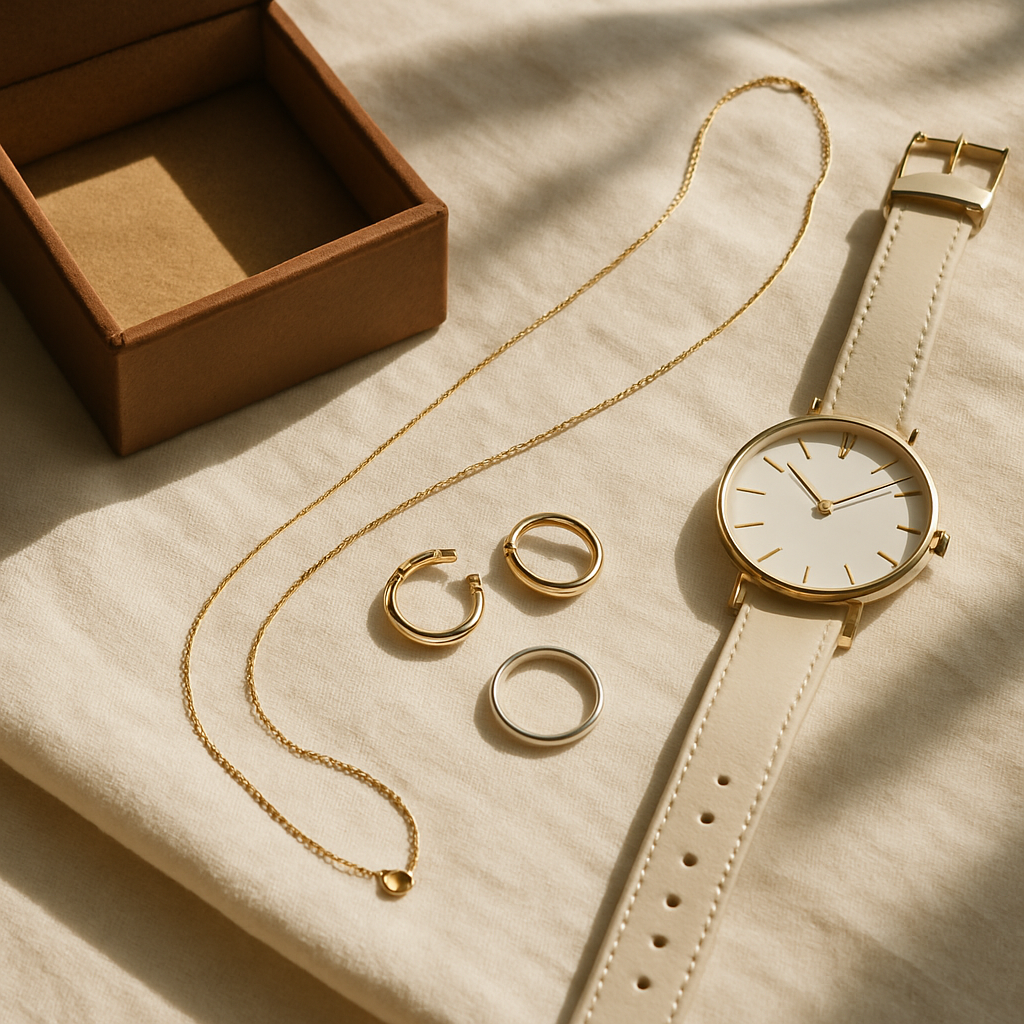
When you embrace this approach, you'll discover how a single meaningful necklace or pair of earrings can transform not just your look, but how you feel about what you wear. Understanding color combinations in jewelry can further enhance your minimalist style, adding subtle impact without overwhelming your look.
Throughout this guide, you'll learn how to develop a minimalist mindset toward accessories, select pieces that truly deserve a place in your collection, style them for maximum impact, and shop sustainably for jewelry that will become part of your legacy. Let's explore how less really can be so much more.
Understanding the minimalist mindset: accessories with purpose
At its core, minimalist accessorizing isn't about following a stark aesthetic—it's about approaching your jewelry collection with intention. Each piece you own should serve a purpose, whether functional, emotional, or both. This mindset shifts accessorizing from mindless accumulation to thoughtful curation.
The philosophy centers around quality over quantity. Rather than filling your jewelry box with trendy, disposable pieces, a minimalist approach favors investing in fewer items of higher quality that you'll wear and treasure for years. Your accessories become an extension of your personal style rather than dictated by fleeting fashion cycles.
Adopting this approach often means identifying your signature pieces—those items that feel distinctly "you" and complement your wardrobe effortlessly. Perhaps it's a delicate gold necklace you never remove or simple stud earrings that frame your face perfectly. These become your foundation, offering consistency while allowing for occasional thoughtful additions.
Minimalism beyond aesthetics
The benefits of minimalist accessorizing extend far beyond creating a cohesive look. Environmentally, it means less consumption and waste—fewer resources extracted and fewer discarded items ending up in landfills. Emotionally, it brings clarity and reduces decision fatigue. When you're not overwhelmed by options, getting dressed becomes simpler and more enjoyable.
Many who embrace this philosophy report feeling more connected to what they own.
When each piece has been carefully selected, perhaps marking a special occasion or representing a core value, your jewelry collection transforms from mere decorative objects to meaningful artifacts of your life journey.
As you begin to view accessories through this lens, you'll likely notice how the impulse to purchase randomly diminishes. Instead of chasing the momentary high of acquisition, you'll find greater satisfaction in meaningful minimalist jewelry that enhances your daily experience in subtle but significant ways.
Choosing simple yet meaningful jewelry for your capsule wardrobe
Creating a minimalist jewelry collection requires careful consideration, not unlike building a capsule wardrobe. The goal isn't to strip away personality but to distill it to its essence. Begin by identifying pieces that reflect your authentic style and complement the clothing you wear most frequently.
Quality materials matter significantly in a minimalist collection. Since you'll be wearing these pieces regularly, opt for durable metals like solid gold, sterling silver, or platinum that won't tarnish quickly or irritate sensitive skin. These materials age beautifully and often increase in character over time, unlike plated alternatives that may need frequent replacement.
Consider versatility when selecting each item. A delicate chain necklace, classic hoop earrings, and a simple band ring can transition seamlessly between professional settings, casual outings, and special occasions. These foundational items become the canvas upon which you might occasionally layer more distinctive accent pieces.
Curating your essentials
Start your minimalist collection by evaluating what you already own. Ask yourself three questions about each piece: Do I wear this regularly? Does it complement multiple outfits? Does it hold genuine meaning or bring me joy? Items that receive three affirmative answers deserve to stay. The rest might better serve someone else.
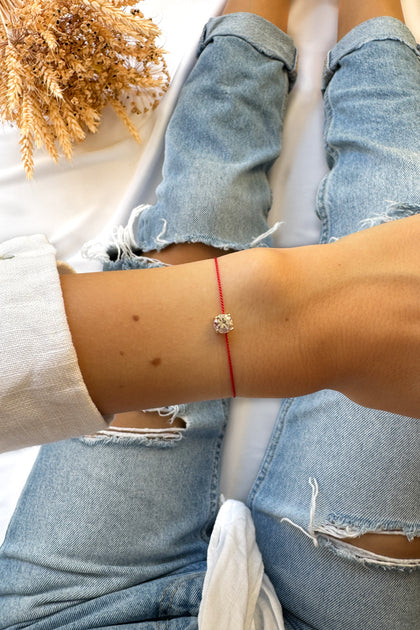
Focus on building around everyday staples—the pieces you reach for instinctively. For many, this includes a versatile necklace at a flattering length, comfortable earrings that frame the face, and perhaps a watch or bracelet that feels like an extension of yourself. These become your signature items, worn so consistently they become part of your personal identity.
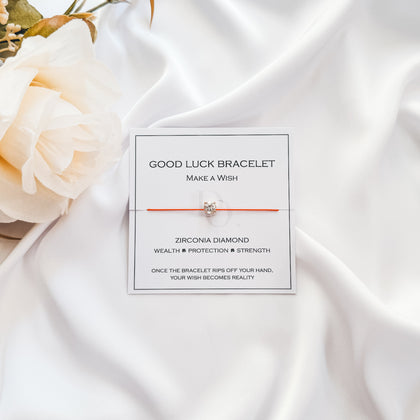
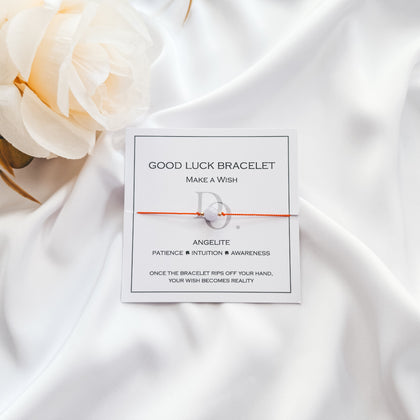
Don't mistake minimalism for blandness. Incorporating personal significance—whether through birthstones, meaningful symbols, or pieces that commemorate important life events—adds depth to your collection while maintaining aesthetic simplicity. The beauty lies in the stories behind each carefully chosen item.
Signature vs. statement
While minimalist style often emphasizes restraint, there's still room for expression. The key difference is intention—choosing statement pieces deliberately rather than haphazardly. A single bold cuff bracelet or sculptural earring can transform a simple outfit while maintaining the clean minimalist aesthetic.
The secret to balancing signature and statement pieces lies in letting one element command attention while keeping others subdued. When wearing a distinctive necklace, opt for subtle earrings. This creates visual harmony and prevents accessories from competing with each other or overwhelming your overall look.
Remember that minimalism embraces the concept of "enough"—recognizing when additional elements would detract rather than enhance. This principle guides you to resist the temptation to add "just one more thing" before leaving the house, ensuring each piece you wear serves a purpose and has space to shine.
Example capsule collection
A thoughtfully curated minimalist jewelry collection might include: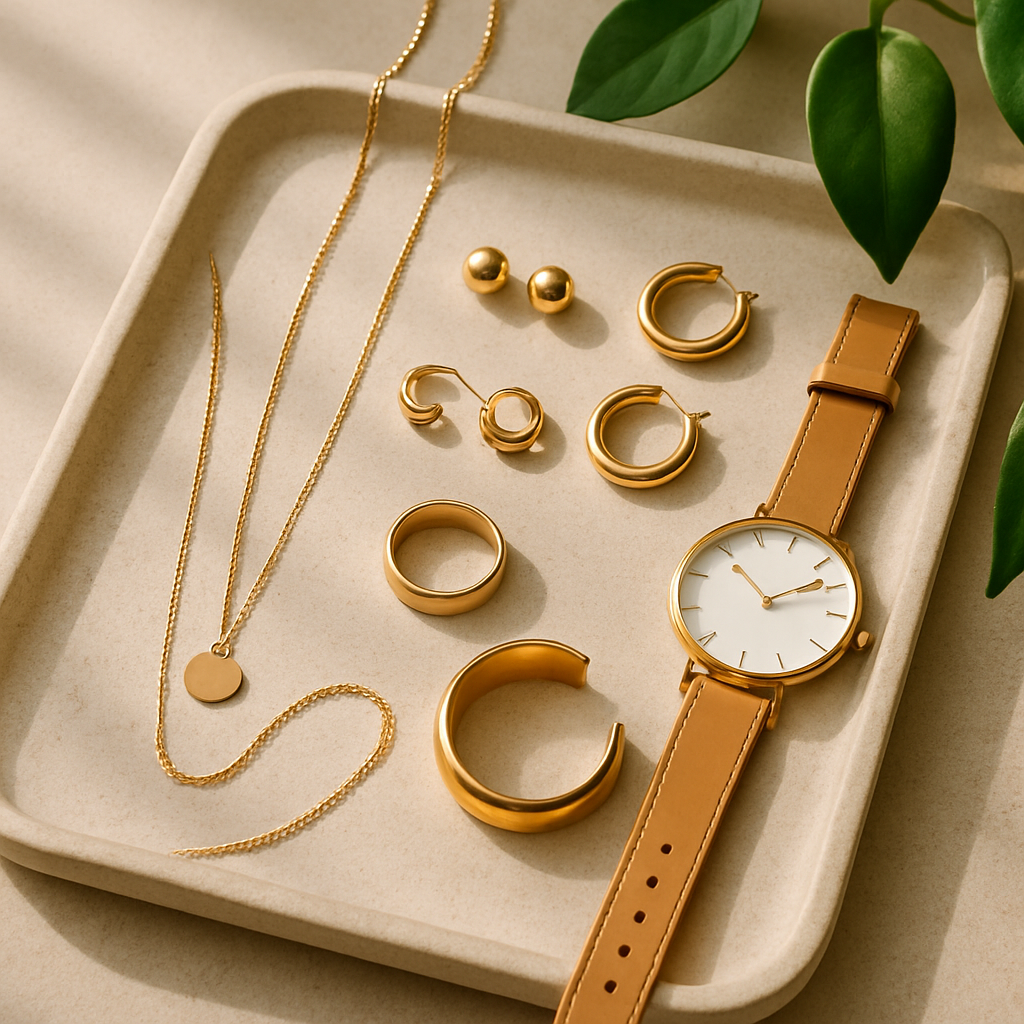
- 1-2 necklaces at different lengths for layering possibilities
- Classic stud earrings for everyday wear
- Small hoop earrings for versatile styling
- A simple band ring or set of stacking rings
- One statement piece that reflects your personality
- A quality watch or bracelet as a foundational accessory
This foundation provides enough variety for different occasions while remaining deliberately limited. As you develop your personal style, you might discover which categories deserve more emphasis based on your preferences and lifestyle.
Consider exploring chic accessories and gift ideas that align with minimalist principles—pieces with clean lines, meaningful details, and versatile styling potential that will serve your wardrobe for years rather than seasons.
Styling tips—how to wear minimalist jewelry with maximum impact
Minimalist jewelry may be understated, but its impact on your overall appearance can be profound. The key lies in thoughtful placement and proportion. Consider how each piece interacts with your outfit, facial features, and other accessories to create a harmonious whole rather than competing elements.
Balance is essential to successful minimalist styling. When wearing delicate pieces, they often look best against simple clothing that won't overwhelm their subtle presence. A thin gold chain stands out beautifully against a crisp white shirt, while elaborate patterns might diminish its elegant simplicity.
Pay attention to the necklines of your clothing when selecting necklaces. V-necks typically pair well with pendant necklaces that echo their shape, while crew necks often complement shorter chains or chokers. These small considerations create visual cohesion that elevates your entire look.
Mixing metals and materials
While traditional styling advice often recommended sticking to one metal tone, contemporary minimalism embraces thoughtful mixing. The secret is intention—when combining gold and silver elements, do so deliberately rather than randomly, perhaps linking them through a mixed-metal piece that incorporates both.
Natural materials like pearls, wood, or stone can add organic texture to metal jewelry. These combinations work particularly well in minimalist collections because they introduce subtle visual interest without excessive ornamentation. A simple gold chain with a single pearl pendant exemplifies this balanced approach.
When incorporating gemstones, consider their color in relation to your wardrobe palette. Clear stones like diamonds or white topaz offer maximum versatility, while colored gems can become signature elements that complement your most-worn clothing colors. Even within a minimalist framework, these thoughtful touches express individuality.
Letting one piece stand out
The "rule of one" serves minimalist styling well—allowing a single accessory to command attention while keeping other elements subdued. If you're wearing statement earrings, consider skipping a necklace entirely or choosing something extremely subtle. This creates visual breathing room and prevents accessories from competing.
Consider scale and proportion relative to your features. Delicate individuals often look balanced with lighter, more refined pieces, while those with stronger features may find that slightly bolder accessories provide harmonious balance. This isn't about rigid rules but about creating visual congruence between your physical presence and what you choose to adorn it with.
Remember that negative space—areas intentionally left unadorned—plays an important role in minimalist styling. Resist the urge to fill every potential accessory opportunity. Sometimes a bare wrist or unadorned neckline creates the perfect canvas to highlight a single treasured piece elsewhere.
Jewelry for work vs. everyday
Professional environments often call for subtle refinement in accessories.
Opt for pieces that won't distract or create noise in work settings—stud earrings, thin chains, and watches with clean lines tend to complement business attire without overwhelming it. The goal is to appear polished rather than decorated.
For casual settings, you might introduce slightly more personality while maintaining minimalist principles. Perhaps this means adding a second necklace layer or choosing earrings with a touch more presence. The shift is subtle—still focused on quality and intentionality but with slightly more expressive freedom.
Evening occasions offer opportunities to incorporate your more distinctive pieces, though still selectively. A minimalist approach to formal dressing might mean choosing one standout accessory—perhaps statement earrings or a bold cuff—while keeping everything else elegantly restrained. Learning about the story behind unique accessories can add depth to your styling choices, making them more meaningful and conversation-worthy.
Sustainable & mindful jewelry shopping: building a legacy collection
Truly minimalist accessorizing extends beyond aesthetics to consider the full lifecycle of each piece you acquire. Sustainable jewelry shopping means investigating sourcing practices, material origins, and production methods. This approach aligns perfectly with minimalist values—choosing fewer items allows for investing in pieces with ethical pedigrees.
When evaluating potential additions to your collection, consider longevity above all. Will this piece withstand daily wear? Is it made from materials that maintain their beauty over time? Can it be repaired if necessary? These questions guide you toward truly sustainable choices rather than disposable ones, no matter how "clean" their design appears.
Recycled metals represent one of the most accessible entry points to sustainable jewelry. Gold and silver can be infinitely recycled without quality degradation, reducing environmental impact from mining. Many contemporary designers now work exclusively with reclaimed materials, creating beautiful minimalist pieces with clean environmental footprints.
Beyond materials, consider the human element of jewelry production. Small-batch artisans and designers who maintain transparent supply chains often create pieces with greater integrity and uniqueness than mass-produced alternatives. Their work typically exhibits the thoughtful detailing and quality construction that minimalist style celebrates.
Building a legacy collection means thinking beyond current trends to pieces you'll treasure for decades and perhaps even pass down. This perspective naturally guides you toward classic designs, quality materials, and meaningful selections rather than impulse purchases. Each addition becomes an intentional chapter in your personal style story.
When considering new acquisitions, implement a thoughtful waiting period. Save potential purchases to a wishlist and revisit after several weeks. Items that continue to resonate with you after this cooling-off period are more likely to become lasting additions rather than short-lived infatuations. This practice embodies mindful consumption at its core.
As you build your collection, seek pieces that reflect your values and experiences. Whether through supporting independent designers, choosing ethically sourced materials, or selecting symbols with personal significance, your jewelry can become a tangible expression of what matters to you. This approach creates a collection of thoughtful gift ideas not just for yourself but potentially for future generations.
Conclusion
Accessorizing like a minimalist isn't about restriction—it's about liberation. When you curate jewelry with intention, each piece earns its place through meaning, quality, and versatility. The result is a collection that truly enhances your life rather than complicates it.
Begin your journey by evaluating what you already own, keeping only what serves you beautifully. Then thoughtfully fill any gaps with pieces that will stand the test of time both physically and aesthetically. Remember that building a minimalist jewelry collection is a gradual process, not an overnight transformation.
Consider which items might become your signature pieces—those that feel so aligned with your personal style that they become almost an extension of yourself. Allow these to form the foundation of your collection, supplemented occasionally by pieces that bring seasonal freshness or mark special occasions.
As you embrace minimalist accessorizing, you'll likely notice benefits extending beyond your appearance. Decision fatigue diminishes, getting dressed becomes more intuitive, and the emotional connection to what you own deepens. Each piece carries intention rather than simply occupying space.
Whether you're drawn to minimalism for aesthetic, environmental, or practical reasons, this approach to jewelry offers a more meaningful relationship with what you choose to wear. Start today by selecting just one piece that truly resonates—wear it, appreciate it, and let it remind you that in accessories, as in life, quality transcends quantity every time.
Frequently Asked Questions
What counts as minimalist jewelry?
Minimalist jewelry is defined less by trend and more by intentionality—think simple forms, quality materials, and personal meaning rather than purely sparse designs.
How many jewelry pieces should I keep in a minimalist wardrobe?
There's no fixed number, but most stylists recommend curating 3–7 versatile, meaningful pieces that suit your daily life and a couple of statement options for special occasions.
Can minimalist jewelry still be colorful or bold?
Absolutely—minimalism is about focus, function, and meaning. A single vibrant piece or gemstone can work within a minimalist concept if it's carefully chosen and feels authentic to you.
How do I start decluttering my jewelry collection?
Review each item for frequency of wear, comfort, quality, and personal sentiment. Keep only what you love or truly use; donate or pass on the rest.
Are there sustainable options for minimalist jewelry?
Yes, many brands now prioritize recycled materials, fair trade practices, and timeless design for long-term wear—seek out certified labels and clear sourcing.